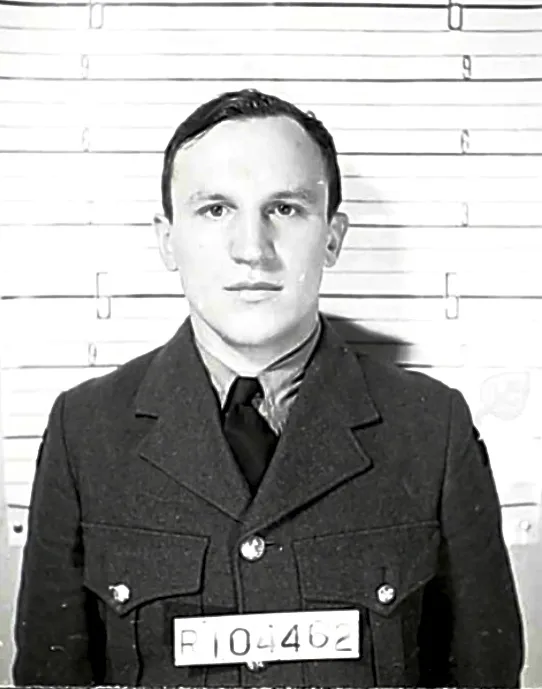
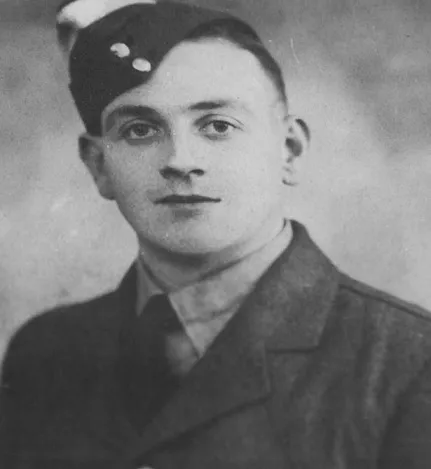
McDermott, Leonard Frank (Sergeant)
Killed in Action 1943-August-18
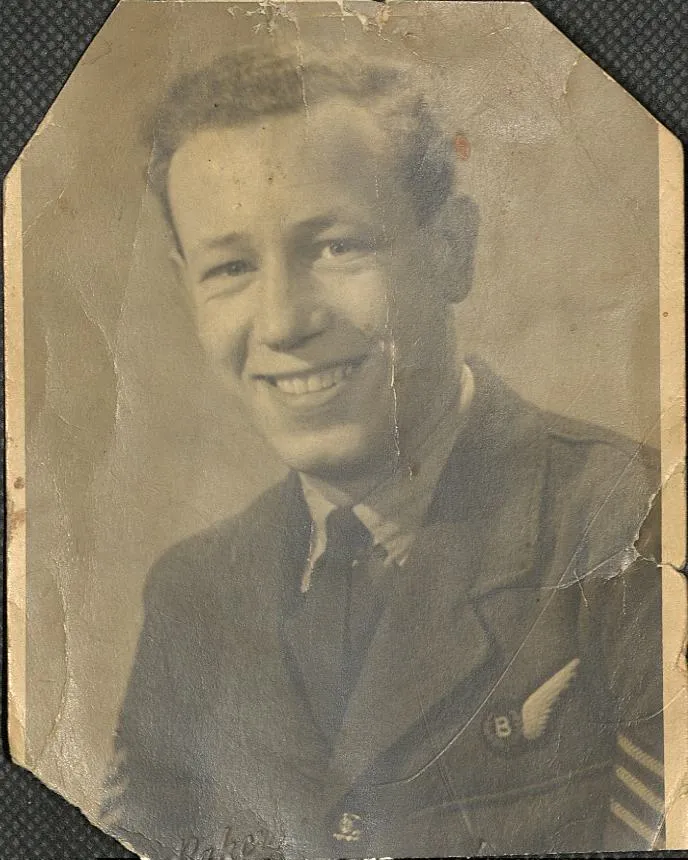

Birth Date: 1923
Born: Hertfordshire, England
Parents: Son of Leonard and Grace Ethel McDermott, of Oxhey, Hertfordshire, England
Spouse:
Home:
Enlistment:
Enlistment Date: unkown date
Service
RAFVR
Unit
44 (B) Sqn- Squadron (RAF)
Fulmina Regis Lusta The king's thunderbolts are righteous
Base
RAF Dunholme Lodge
Rank
Sergeant
Position
Bomb Aimer
Service Numbers
1802253
 Peenemunde Germany
 Commonwealth War Graves Commission
 Finadagrave.com
Crew or Other Personnel
Lancaster DV202

Mission
Lancaster Mk.I/III DV202
Bombing KM-Z 1943-August-17 to 1943-August-18
44 (B) Sqn (RAF) RAF Dunholme Lodge
44 Rhodesia Squadron (Fulmina regis lusta) RAF Dunholme Lodge. Lancaster Mk III aircraft DV 202 KM-Z failed to return from a bombing operation against the V-2 rocket sites at Peenemunde, Germany, likely shot down by night fighter pilot Leutnant Peter Ehrhardt of 5/NJG5 flying a Schrage Musik-equipped Bf 110 G-4 from Parchim airfield, the first time Schrage Musik had been used by the Luftwaffe. The Lancaster crashed into the Kolpiensee, a lake near Peenemunde, Pommern, Germany
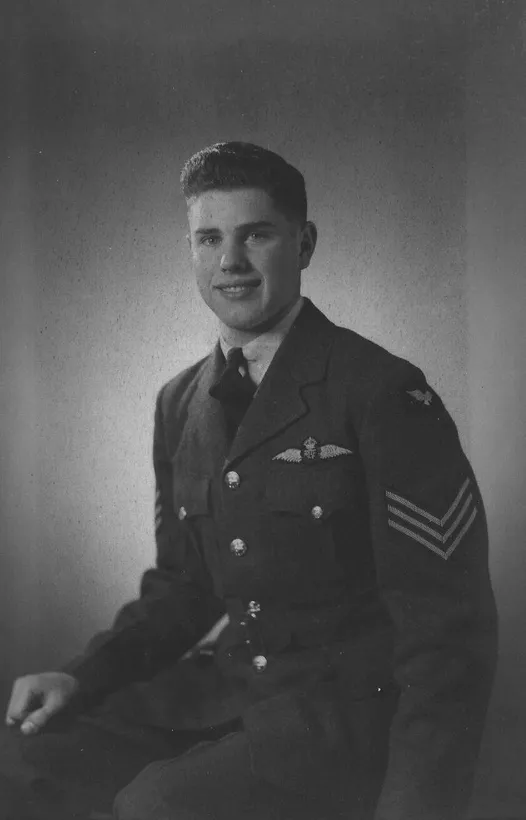
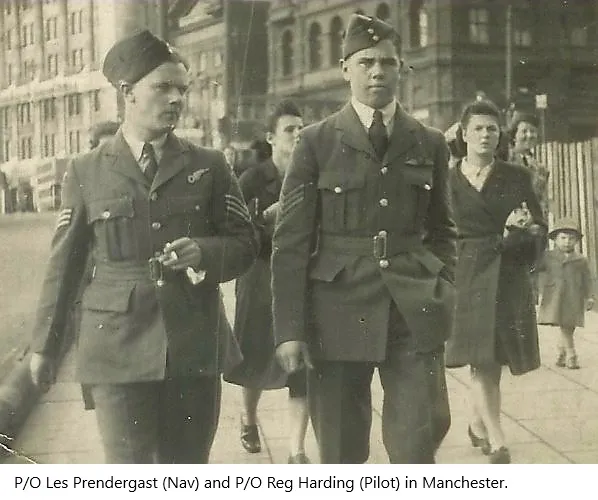
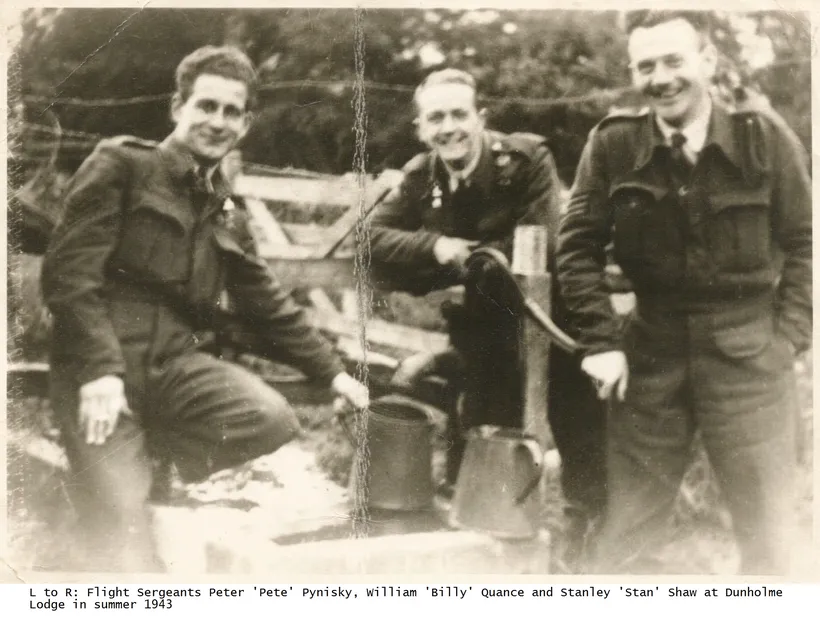
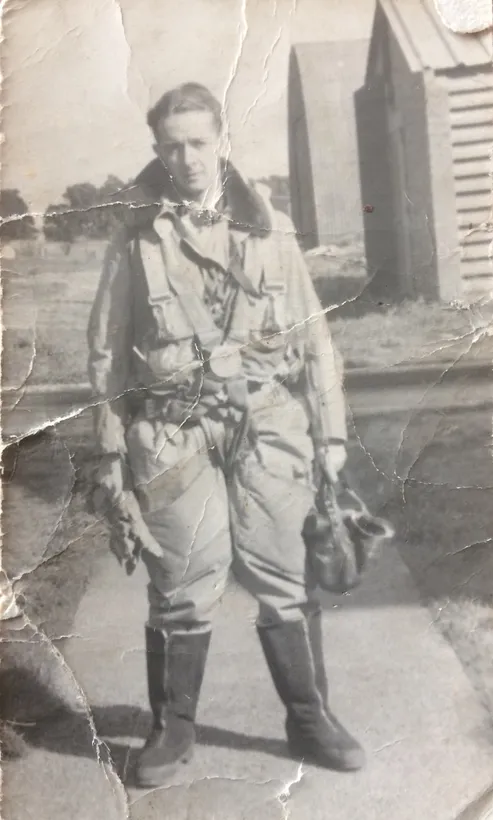
Pilot Officer Reginald Clifford Harding (RCAF), Pilot Officer Peter Pynisky (RCAF), Sergeant Leonard Frank McDermott (RAFVR), Pilot Officer Leslie Prendergast (RAFVR), Sergeant William Henry Quance (RAFVR), Flight Sergeant Stanley Shaw (RAFVR) and Sergeant Thomas Neville Weston (RAFVR) were all missing, presumed killed in action. Rumours suggested that the crew had been buried at various spots around the shore of Kolpiensee lake but repeated searches by Commonwealth War Graves Commission after the war ended failed to turn up any crew remains. The crew members of Lancaster DV 202 KM-Z have no known grave but all are commemorated on the Runnymede Memorial
One engine with attached bent propeller from Lancaster DV 202 was recovered from the lake in 1991 and is preserved at the Historisch-Technisches Museum in Peenemunde. The balance of the wreckage of the bomber remains in the lake where it crashed
Nachtjagd Combat Archive 1943 Part 2, 23 June - 22 September by Theo Boiten page 73
The Peenemunde Raid, The Night of 17-18 August 1943 by Martin Middlebrook
 Royal Air Force Serial and Image Database
DV202 KM-Z - International Bomber Command Centre
Crash Site & Wreckage Avro Lancaster DV 202 (KM-Z) - Peenemunde - ...
(1) Recovering Lancaster DV202: One Piece Saved, the Wreck Left Behind - ...
Lancaster serial: DV202
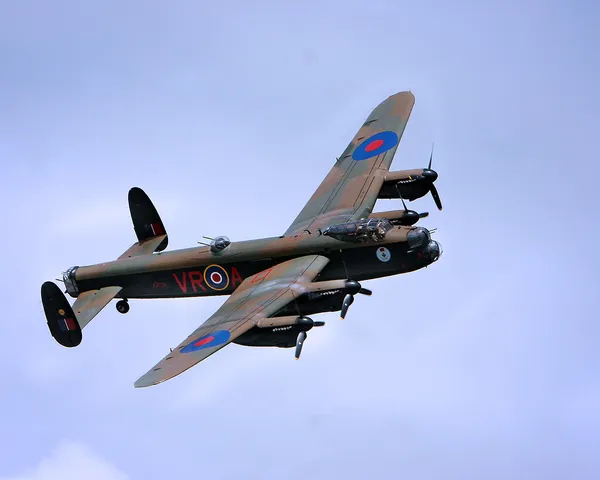
Canadian Warplane Heritage Museum
The Avro Lancaster is a British Second World War heavy bomber. It was designed and manufactured by Avro as a contemporary of the Handley Page Halifax, both bombers having been developed to the same specification, as well as the Short Stirling, all three aircraft being four-engined heavy bombers adopted by the Royal Air Force (RAF) during the same wartime era.
The Lancaster has its origins in the twin-engine Avro Manchester which had been developed during the late 1930s in response to the Air Ministry Specification P.13/36 for a capable medium bomber for "world-wide use". Originally developed as an evolution of the Manchester (which had proved troublesome in service and was retired in 1942), the Lancaster was designed by Roy Chadwick and powered by four Rolls-Royce Merlins and in one version, Bristol Hercules engines. It first saw service with RAF Bomber Command in 1942 and as the strategic bombing offensive over Europe gathered momentum, it was the main aircraft for the night-time bombing campaigns that followed. As increasing numbers of the type were produced, it became the principal heavy bomber used by the RAF, the Royal Canadian Air Force (RCAF) and squadrons from other Commonwealth and European countries serving within the RAF, overshadowing the Halifax and Stirling. Wikipedia
 Lancaster Bomber
 Wikipedia
Lancaster DV202 Mk.I/III - Bombing KM-Z - 1943-08-17 to 1943-08-18
War Diary Unavailable
6 Bomber Group August 17/18, 1943
54 Halifaxes from 419, 427, 428, and 434 squadron were joined by 9 Lancasters from 426 squadron, on an attack of the experimental rocket site at Peenemunde. The crews were over the target at between 7,000 and 9,000 feet, releasing 335,000 lbs of high explosives and 3,600 lbs of incendiaries. The target was successfully hit, and the V-2 rocket program was set back. The first 2 waves of bombing did not suffer many losses but the 3rd wave, which included the 6 group, were attacked fiercely by Night fighters. This was also the first night of the master bomber technique, and of the slanted cannon by the German airforce, that would take down so many bombers in the months to come. This was also the first operation by 426 squadron since converting to the Lancaster II. Richard Koval (6bombergroup.ca)
44 Rhodesia Squadron (Fulmina regis lusta) RAF Dunholme Lodge. Lancaster Mk III aircraft DV 202 KM-Z failed to return from a bombing operation against the V-2 rocket sites at Peenemunde, Germany, likely shot down by night fighter pilot Leutnant Peter Ehrhardt of 5/NJG5 flying a Schrage Musik-equipped Bf 110 G-4 from Parchim airfield, the first time Schrage Musik had been used by the Luftwaffe. The Lancaster crashed into the Kolpiensee, a lake near Peenemunde, Pommern, Germany
Pilot Officer Reginald Clifford Harding (RCAF), Pilot Officer Peter Pynisky (RCAF), Sergeant Leonard Frank McDermott (RAFVR), Pilot Officer Leslie Prendergast (RAFVR), Sergeant William Henry Quance (RAFVR), Flight Sergeant Stanley Shaw (RAFVR) and Sergeant Thomas Neville Weston (RAFVR) were all missing, presumed killed in action. Rumours suggested that the crew had been buried at various spots around the shore of Kolpiensee lake but repeated searches by Commonwealth War Graves Commission after the war ended failed to turn up any crew remains. The crew members of Lancaster DV 202 KM-Z have no known grave but all are commemorated on the Runnymede Memorial
One engine with attached bent propeller from Lancaster DV 202 was recovered from the lake in 1991 and is preserved at the Historisch-Technisches Museum in Peenemunde. The balance of the wreckage of the bomber remains in the lake where it crashed
Nachtjagd Combat Archive 1943 Part 2, 23 June - 22 September by Theo Boiten page 73
The Peenemunde Raid, The Night of 17-18 August 1943 by Martin Middlebrook
Royal Air Force Serial and Image Database
DV202 KM-Z - International Bomber Command Centre
Crash Site & Wreckage Avro Lancaster DV 202 (KM-Z) - Peenemunde - ...
(1) Recovering Lancaster DV202: One Piece Saved, the Wreck Left Behind - ...
