Introduction to CASPIR
by: Greg Neid
 Featured in RCAF Magazine
On September 1, 1939, Germany invaded Poland to start the Second World War. On September 3, 1939, at 11:00 am Britain declared war on Germany to officially enter the conflict. Four hours later at 3:00 pm, a 23 year old RAF pilot from Ottawa, Pilot Officer Ellard Alexander Cummings, son of James Edith Cummings, was killed in a flying accident near Aberdeen in Scotland. He and fellow airman Sergeant Alexander Stewart of Paisley in Scotland were ferrying a Westland Wallace K6028 to be used as a target tug. Pilot Officer Cummings was the first Canadian aviator killed after the declaration of war.
About twenty-four hours later, on September 4, 1939, Sergeant Albert Stanley Prince of Vancouver (born in Montreal) was Killed in Action in a raid on German naval facilities in Wilhelmshaven Germany. Sergeant Prince was piloting Blenheim aircraft N6240 which was shot down. His other two companions George Franklin Booth (RAF) and Lawrence Joseph Slattery (RAF) were taken Prisoners of War. Booth and Slattery are recognized as the first two Prisoners of War in the Second World War.
Canada will not declare war until September 10, 1939, and already two Canadians are dead.
How do we know? This information is readily available in CASPIR, a Canadian Warplane Heritage Museum website that contains documents, images, and history of Canada's military aviation - with personnel and aircraft data that has been carefully compiled using original source documents by trusted Canadian military aviation historians.
The best way to understand CASPIR is to click here. Experience it for yourself.
The Data
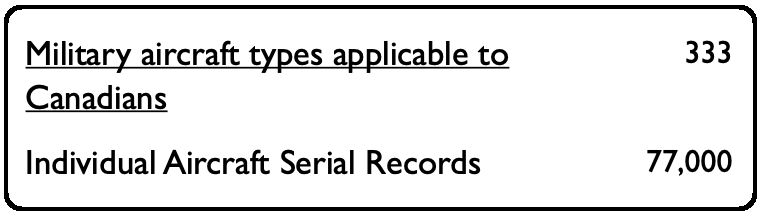
CASPIR builds on the work of exceptional Canadian military historians. Aircraft by John Griffin and Bill Walker, personnel by Hugh Halliday, Les Allison and Harry Hayward who compiled "They Shall Grow Not Old" and Samuel Kostenuk who documents Canadian Squadrons. These are all important air war historians who did not have the benefit of modern computer systems to cross-reference their work.
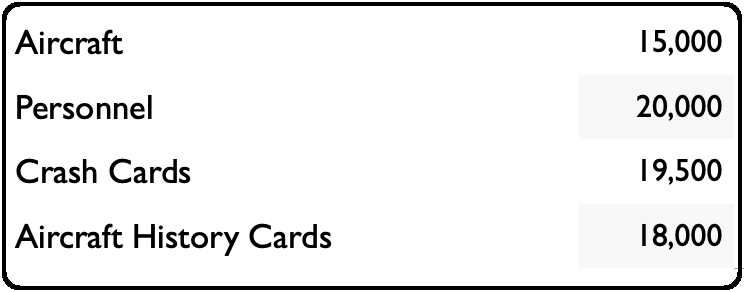
To be included in CASPIR, aircraft must be any of the following: military aircraft or civilian aircraft having a military connection to Canada, manufactured in Canada, tested in Canada, crewed by a Canadian, ferried by ATFERO, "Atlantic Ferry Organization", RAF Ferry Command or 45 Group of RAF Transport Command. If they were under control of one of these organizations, and they last set foot on Canadian soil, they are in CASPIR regardless of their nationality.
CASPIR Goals
CASPIR is a museum product and must be true to Canada's air war history, it must contain all aircraft used by Canadian military (owned, leased, crewed) and contain all military aircraft manufactured in Canada such as Ansons, Hurricanes, Hell Divers, Lancasters, Mosquitoes, Starfighters, Tutors and several more.
For personnel, it must contain all military and associated Canadians who were casualties or were otherwise famous and those "brothers in arms" who flew with Canadian casualties even if they not were Canadian.
This data must be presented in a simplified fashion so that it can be understood by any interested person. This means replacement of all acronyms and abbreviations with easily understood terms.
Development of CASPIR
CASPIR is Canadian Aircraft Serials Personnel Information Resource
In 2016, Bill Walker was ill with cancer; he walked into the Canadian Warplane Heritage Museum looking for a new home for his website, a lifetime effort of recording Canadian military aircraft serials and their history. Considering the relevance of his work in the preservation of Canada's military aviation, the Canadian Warplane Heritage Museum, quickly said yes! Sadly, Bill passed away shortly thereafter.
The Walker website was hosted by CWH, but no updates were being performed until new museum volunteer Greg Neid identified some errors in the database. After reviewing the issue, Greg agreed to investigate, over time the Walker website was replaced with CASPIR.
Bill Walker and John Griffin produced excellent work, though isolated and not cross-referenced. Les Allison and Harry Hayward created an extensive list of Canadian casualties with minimal cross-referencing. The CASPIR team then started digitizing, correcting, and thoroughly cross-referencing all data. COVID facilitated this process, allowing time to correct and consolidate data. Aircraft serials were streamlined into single airframes, as many were renumbered multiple times. This ongoing task has seen over fifty thousand volunteer hours contributed by spring 2025.
Personnel Database
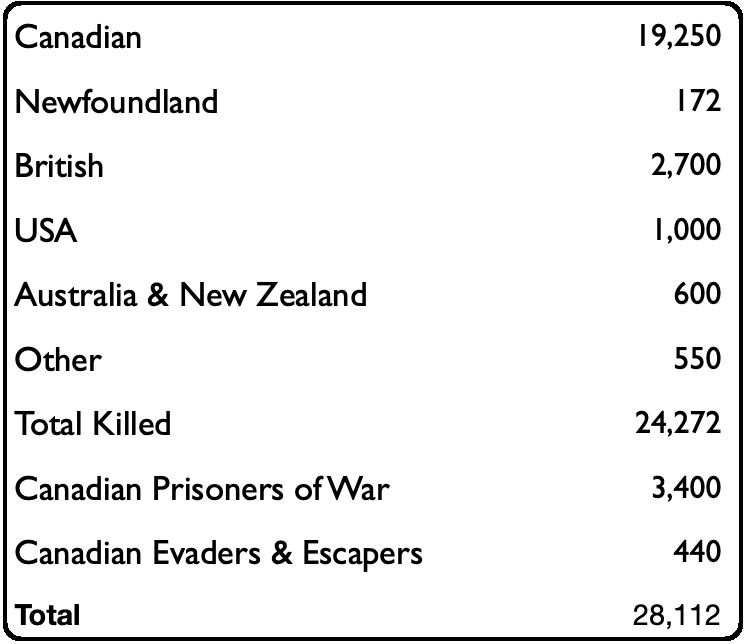
The Personnel database contains casualties Killed in Action "KIA", Killed in a Flying Accident "KIFA", Prisoner of War "PoW", Evaders etc. At the height of the Second World War, the RCAF had more than 240,000 personnel, so not everyone can be in CASPIR.
The personnel database has many sources. Our team is continually reviewing data from a dozen sources to combine into a single record. RAF Commands is a great information source but is too researcher-oriented for CASPIR. Our goal is to provide information in a manner that is easily understood by a non-researcher. We rely heavily on the original Operations Record Books "ORB". We thank Bomber Command Museum which has provided a full set of ORBs for 6 Group (RCAF commanded units in the Second World War). However, half of Canadians were not in 6 Group, but spread all over the RAF. This means locating and downloading the ORBs from the National Archives in Kew UK.
The CASPIR team also reunites crews. The CASPIR team has spent hours placing the men in their aircraft, that is, reuniting crews. Once the crews were united it was obviously time to create an event or mission associated with that aircraft and crew. An event is training cross-country, a bombing mission, reconnaissance, mine-laying, search and rescue, or whatever the day's orders required. Canadians flew with British, Australians, New Zealanders, Americans and many other nationalities. This process is far from finished and will take years to complete.
PoW and Evader records were poorly documented and have taken the CASPIR team hours to complete. Originally, there were only initials plus a surname, which is inadequate for definitive identification. Modern privacy laws have limited access to the details of living people, so we must search non-official channels. Persistence, Goggle search, Ancestry.ca and Newspapers.com have given us access to reports from that time period. Much of our data has come from these external sources. Once we have one airman; it is easier to find the others because everyone is cross-referenced by aircraft.
Images make the person real. Whenever possible we add an image. Images can be hard to come by. But more and more families are contacting us with images that complete the record.
There are many important persons in the database, Canadians or other air military figures who were not Canadian. Example: Air Vice Marshal Donald Bennett, Commander of 8 Group or Pathfinder Force, was added due to his early role in ATFERO. Wing Commander Guy Gibson, Squadron Leader for 617 Squadron, The Dambusters - Operation Chastise was Killed in Action in Mosquito KB267. KB267 was manufactured at the Canadian de Havilland factory in Downsview Ontario.
CASPIR Events
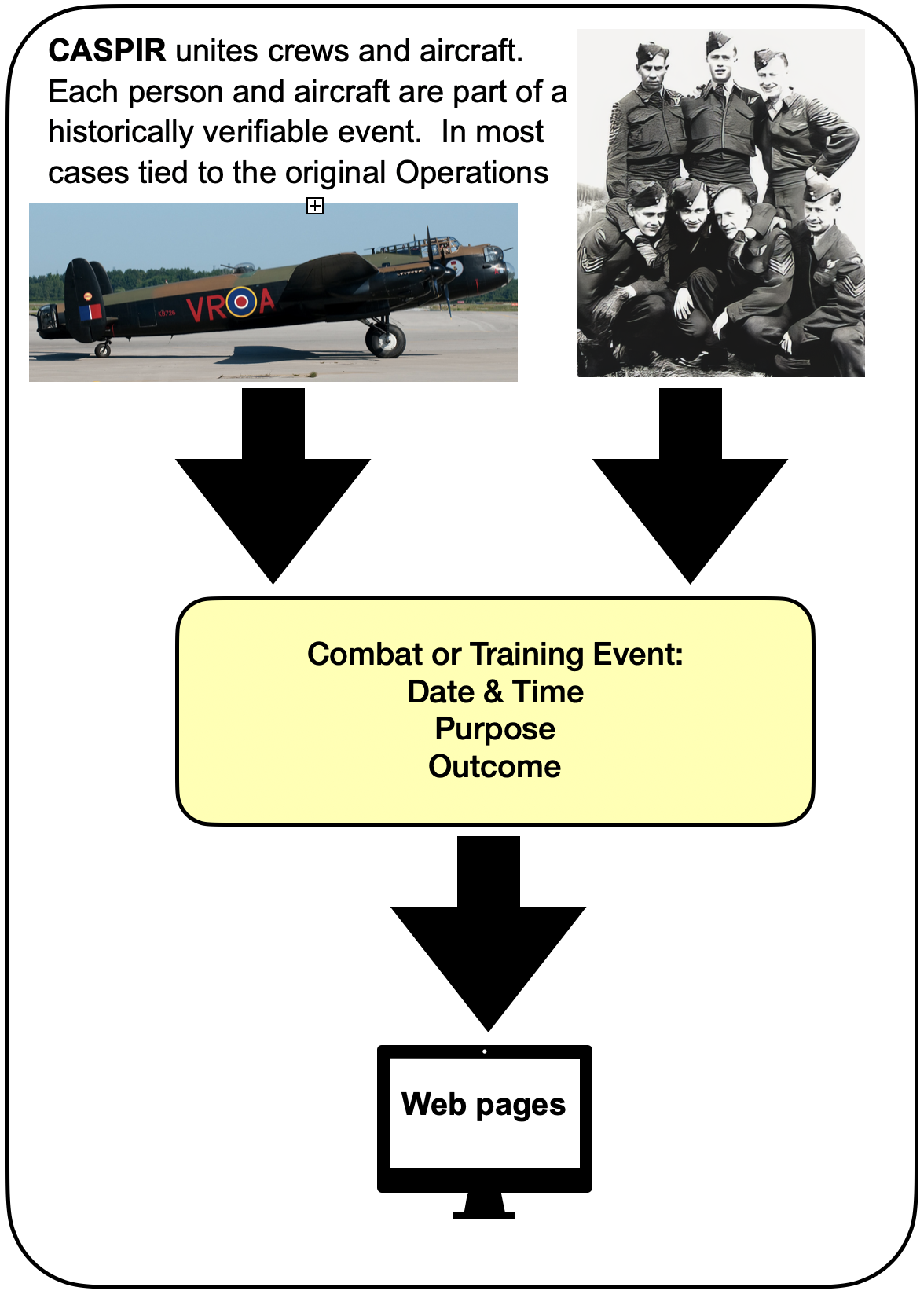
An "event" in CASPIR has a date, a crew, a location and a mission.
For Bomber Command, the mission is almost always a night raid, and the event starts on one day and finishes the next, for example March 16/17, 1943. We don't really know the exact death date in the event of a KIA, so we assume the death date to be after midnight. To coordinate events with aircraft and crews CASPIR is rigid about dates.
The highest casualties in Canada's air war were in Halifax bombers. Over 70% of Canadian Bomber crew flew on the Halifax bomber. On the Halifax: KIA 3,060; PoW 1,196; KIFA 481; Evader 196. Total Killed 3,541.
Second was the Lancaster Bomber. On the Lancaster: KIA 3,152; PoW 580; KIFA 139; Evader 144. Total Killed 3,291.
These numbers are exact but do not include other categories such as interned, murdered, executed by Gestapo, suicide, etc.
CASPIR Selected Personnel
The rear gunner in both Lancaster and Halifax had high casualty rates. Pilots also faced significant risks because damaged aircraft required constant control to remain stable. If a pilot released the controls, the unstable aircraft often prevented him from bailing out, forcing an attempt to land, which usually failed.
The CASPIR database holds about thirty thousand personnel records, documenting individuals for their service to the country. It includes those who were killed, died, or had significant events, preserving detailed records of their contributions.
Within CASPIR, there are individuals who have achieved significant recognition or exemplify key aspects of CASPIR through their distinguished service.
First World War
During the First World War, Canada lacked an air force and only had one aircraft, the Burgess Dunne AH-7, which was destroyed before it could fly. The Royal Flying Corps and the Royal Naval Service recruited and trained in Canada. Aircraft were also manufactured in cooperation with the Imperial Munitions Board.
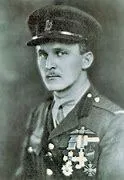
William Avery "Billy" Bishop, VC.
One of Canada's great pilots from that period is William Avery "Billy" Bishop, VC.
"It was the mud, I think, that made me take to flying I had succeeded in getting myself mired to the knees when suddenly, from somewhere out of the storm, appeared a trim little aeroplane.
It landed hesitatingly in a nearby field as if scorning to brush its wings against so sordid a landscape, then away again up into the clean grey mists.
How long I stood there gazing into the distance I do not know, but when I turned to slog my way back through the mud my mind was made up. I knew there was only one place to be on such a day - up above the clouds in the summer sunshine.
Within a few months, Billy transferred from the 7th Canadian Mounted Rifles to Royal Flying Corps as an observer. It was not long before he became an ace, with seventy-two victories. William A. Bishop, Winged Warfare by William Avery Bishop
The Inter-War years
The inter-war years were started with an Imperial gift in 1919 of over 100 aircraft that started the Canadian Air Force "CAF". In 1924, the Royal Canadian Air Force was created. But Canada was not very military oriented. Canada had very few airports, and as a result flying boats were more in demand than wheeled aircraft, and Canada was more interested in mapping and forest management than military operation. Military readiness did not happen until the very late 1930s.
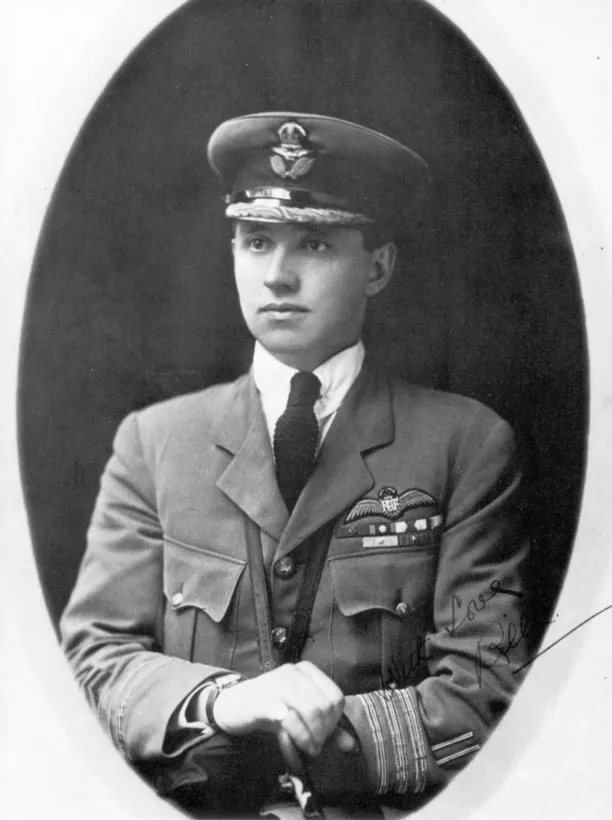
William 'Billy' Barker, VC
An early First World War ace, William 'Billy' Barker, VC was killed in 1930 while demonstrating an aircraft to the RCAF
Billy grew up around Dauphin Manitoba, working on the family farm and sawmill. He had a natural ability for horseback riding and shooting while on the move. He became a First World War ace. His RCAF commissioned number in 1924 was 2!
Billy Barker is the most decorated military person in Canadian history: Victoria Cross, Distinguished Service Order with Bar, Military Cross and 2 Bars, Mentioned in Dispatches 3 times, French Croix de Guerre and Italian Star of Valour.
Billy was president of Fairchild Aircraft Canada. He was killed in a crash while demonstrating a Fairchild KR to the RCAF at Rockcliffe Ontario.
Second World War
The Second World War brought extensive work to Canada. Manufacturing of aircraft, building of airfields under the British Commonwealth Air Training Plan "BCATP". Canada invested about two billion 1940 dollars in the BCATP. The BCATP produced 130,000 airmen and 80,000 ground crew.
Battle of the Atlantic
The Battle of the Atlantic was the longest battle of the Second World War. It started with the Declaration of War on September 3, 1939, and continued until May 8, 1945 - VE Day. Canada played a crucial role in organizing and protecting the convoys from North America to Europe. Britain required various supplies such as food, fuel, and armaments. Here are a few flyers from CASPIR who contributed to the efforts against the German U-boat threat.
Norville Evert Small
His friends called him "Molly".
When Squadron Leader Small promised he would do better next time, he was true to his word. After failing to deliver a coup de grace versus the U-boat in April 1942, he re-evaluated Air Force anti-submarine tactics off the coast of Canada. He had learned by trial and error that bombs with contact fuses were useless against U-boats; however, depth charges triggered by water pressure (hydrostatic detonation at a specific depth) would inflict more damage.
In addition, he recognized that Allied aircraft, painted with dark colours might be less visible in the sky if their undersides were painted white instead. He noted that attacking from high altitude - from 5,000 feet instead of one hundred feet would also increase the element of surprise.
In July 1942, he and his Hudson bomber crew caught U754 unaware. Unnoticed by the U-boat crew, Small dove from altitude and released a cluster of depth charges straddling the submarine.
Fifty-five minutes later, his report noted, a further heavy explosion took place where the depth charges had exploded, and Small's crew became the first anti-submarine aircraft crew in the RCAF to destroy a U-boat. Ted Barris website
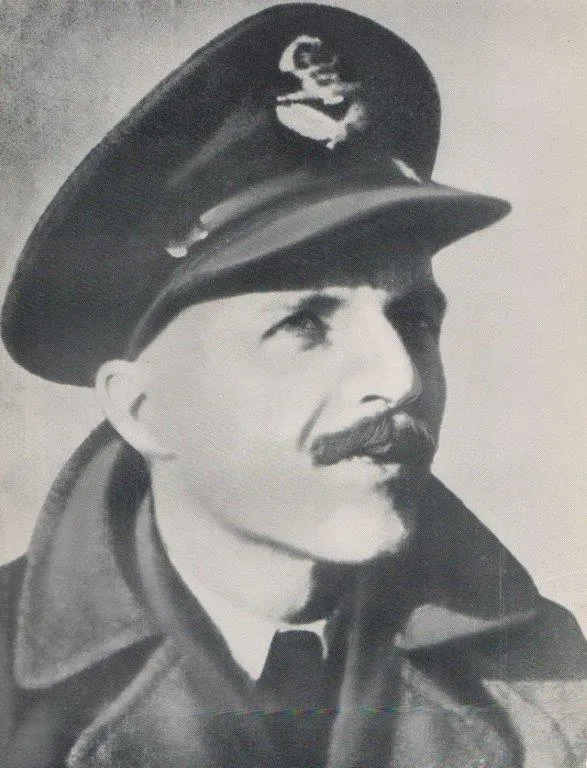
David Hornell, VC
David Hornell was a Sunday school teacher from Mimico (Toronto), whose dedication to duty and the welfare of his crew is unquestionable.
Flight Lieutenant Hornell's Victoria Cross citation begins: "Flight Lieutenant Hornell was captain, and first pilot of a twin engine amphibian aircraft engaged in anti-submarine patrol in northern waters. After several hours, the patrol sighted a fully surfaced U-boat travelling at high speed on the port beam. Flight Lieutenant Hornell at once turned to attack. The U-Boat altered course. The aircraft had been seen and there could be no surprise. The U-boat began anti-aircraft fire, which became increasingly fierce and accurate.
At a range of 1,200 yards the front guns of the aircraft replied, then the starboard gun jammed, leaving only one gun effective. Hits were obtained on and around the conning tower of the U-boat, but the aircraft itself was hit, two large holes appeared in the starboard wing.
Ignoring the enemy's fire, Flight Lieutenant Hornell carefully maneuvered for the attack. Oil was pouring from his starboard engine that was, by this time, on fire, as was the starboard wing; and the petrol tanks were in danger. Meanwhile, the aircraft was hit repeatedly by the U-boat's guns. The aircraft had multiple holes, was vibrating significantly, and was difficult to control.
Despite the risks, the captain decided to continue the attack, aware that their chances of escape were diminishing. He flew his aircraft low and released depth charges accurately, causing the U-boat to rise out of the water before sinking. The crew was seen in the sea."
Aircraft Ferrying
Canada and the USA produced many aircraft needed in Europe. Flying them was necessary because sea transport was slow and damaging to the aircraft.
Donald Clifford Tyndall Bennett
Air Vice Marshal Donald Clifford Tyndall Bennett, CB, CBE, DSO (14 September 1910 -15 September 1986) was an Australian aviation pioneer and bomber pilot who rose to be the youngest Air Vice Marshal in the Royal Air Force. He led the "Pathfinder Force" (No. 8 Group RAF) from 1942 to the end of the Second World War in 1945. He has been described as "one of the most brilliant technical airmen of his generation: an outstanding pilot, a superb navigator who was also capable of stripping a wireless set or overhauling an engine". Wikipedia
In 1940, Don Bennett became flying superintendent of the Atlantic Ferry Organization "ATFERO", headquartered at Dorval in Montreal by the Canadian Pacific Railway. Bennett led the first group of 7 Hudsons flying in formation across the Atlantic in Hudson T9422.
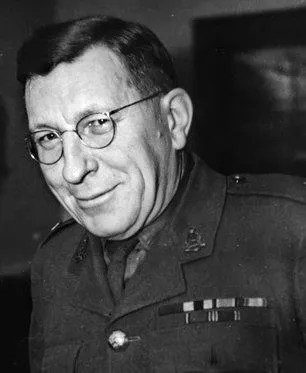
Sir Frederick Grant Banting
Every Canadian knows, or ought to, that Frederick Banting and his lab student Charles Best isolated insulin, saving millions of lives. But most did not know that he was instrumental in establishing the new field of aviation medicine.
This story is about Major Sir Frederick Banting travelling to the UK in early 1941. Banting had researched high altitude illnesses and designed the first oxygen mask that did not freeze at low temperatures. On his team was Wilbur Franks who pioneered the early flight suits. University of Toronto History.
Banting's transatlantic flight in Hudson Mark III T9449 experienced engine trouble and was forced to return to Gander Newfoundland, but it crashed before landing taking Major Bantings life.
Fighters
Fighter Command won the Battle of Britain in 1940. In late 1943, it divided into "Air Defense of Great Britain", a smaller force, and the 2nd Tactical Air Force, which included medium bombers like Mitchells and Mosquitoes.
John Gillespie Magee
John Gillespie Magee was an American child of Christian missionaries born in China. At the outbreak of war, he felt a call to a just war. Because the USA was not officially involved, John enlisted in the RCAF and flew with 412 Squadron and was Killed in a Flying Accident in 1941, while flying out of Friston UK in AD291, a Mark Vb Spitfire. He is remembered for his famous poem "High Flight" which is so often recited at Remembrance Day services across the English-speaking world.
High Flight
"Oh! I have slipped the surly bonds of Earth
And danced the skies on laughter-silvered wings;
Sunward I've climbed, and joined the tumbling mirth
of sun-split clouds, - and done a hundred things
You have not dreamed of - wheeled and soared and swung
High in the sunlit silence. Hov'ring there,
I've chased the shouting wind along, and flung
My eager craft through footless halls of air....
Up, up the long, delirious, burning blue
I've topped the wind-swept heights with easy grace.
Where never lark, or even eagle flew -
And, while with silent, lifting mind I've trod
The high untrespassed sanctity of space,
- Put out my hand, and touched the face of God."
Claude Weaver III
In early 1941 Claude, from Oklahoma City, Oklahoma got in trouble with the law in grade 11. The judge offered him a choice of discipline through military service or juvenile detention. The USA had not entered the war, but Claude wanted to fly and RCAF it was. He enlisted, trained and was eventually Killed in Action flying a Mark IX Spitfire MA642 over France. But Claude had also been shot down over Italy, escaped from an Italian prison camp and returned to Britain to fight again.
This well told story, from American RCAF Warriors was graciously offer to CASPIR by Tom Walsh.
War with Japan
The Pacific War against Japan commenced with the Japanese invasion of China in 1937. Canada became involved later, providing reinforcements to the British forces in Hong Kong in late 1941. Due to cultural beliefs regarding surrender as dishonourable, Japanese forces subjected prisoners of war to forced labour under harsh conditions. The initial account by Oswald Luce is particularly illuminating regarding these circumstances.
Oswald Alfred Luce
The war against Japan in the far east is so beyond our imagination today. Oswald Alfred Luce was taken prisoner in 1942 and his story which is captured in CASPIR is beyond reasonable description.
Oswald, born in the UK, came with his family to St Catharines as a small child. Oswald was an amateur radio enthusiast and became a radio operator with the RCAF. He was captured by the Japanese after the fall of Singapore in 1942. He gave a detailed interview to a medical researcher from McMaster University. It is captured here and offers insight into Japanese PoW experience. These PoWs were seen by their captors as slaves, who could be worked until dead. Disease was rampant and untreated. But the interview shows that his spirit was unbroken.
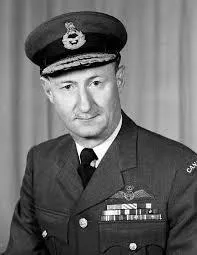
Leonard Birchall, CM, OBE, DFC
Leonard Joseph Birchall "Birch", a young man from St Catharines Ontario, always wanted to fly. In 1933 he became a Gentleman Cadet at Royal Military College in Kingston and gradually worked his up to become an RCAF pilot.
In April 1943 he was assigned a patrol over the Indian Ocean. After 12 hours aloft in their Catalina (Canso AJ155) they spotted something on the horizon. Going perilously close, they discovered it was the Japanese fleet including several aircraft carriers. Their target was the Royal Navy, at anchor in Colombo Ceylon (Sri Lanka). Birch pressed so close that they were strafed by Japanese Zero fighters launched from the approaching carriers.
But the message got back to base, and the next Pearl Harbor was avoided. Leonard Joseph Birchall was "The Saviour of Ceylon".
He retired from the RCAF in 1967 as Air Commodore.
Robert Hampton Gray, VC
On August 6, 1945, Hiroshima was bombed with the first atomic weapon ever used in warfare. On August 9, 1945, Nagasaki received the last atomic bomb used in war. On August 15, 1945, Emperor Hirohito announced via radio the surrender of Japan.
On August 9, 1945, Robert Hampton Gray "Hammy" was Killed in Action while successfully attacking and sinking a Japanese destroyer.
Acting Lieutenant Gray was awarded the VC when he flew his Corsair IV aircraft KD658 115-X into a hail of cannon and machine gun fire during an attack on the Japanese destroyer escort Amakusa anchored in Onagawa Bay. The aircraft was hit, appeared to catch fire and one of the two 500 lb. bombs was shot off, Acting Lieutenant Gray righted the aircraft and pressed on with his attack. At an altitude of 50 feet, he released his remaining bomb which resulted in the sinking of the Amakusa, as he was weaving out of the area his aircraft was hit again, flicked over and dove into the ocean, there was no time for him to bail out.
Bomber Command
Ian Willoughby Bazalgette, VC
Ian's family was from Britain, but he was born in Calgary before they returned to the UK.
On his 58th mission on 4 August 1944, Ian Bazalgette was a Master Bomber for a daylight raid against V-1 rocket storage caves at Trossy Saint-Maximin, France, 40 km north of Paris. As he neared the target, his Lancaster bomber ND811 came under heavy anti-aircraft fire. Both starboard engines failed, and a major fire broke out. Two other Master bombers had been shot-down, leaving Bazalgette next to mark the target.
Bazalgette pressed on, accurately marking and bombing the target. After he dropped his bombs, his aircraft went into a spin, out of control. He managed to regain control of his aircraft, but the inner port engine failed, and the starboard wing was aflame. Bazalgette ordered his crew to bail out as he searched for a place to land safely. Four crew members parachuted to safety and evaded capture by the Germans, but two wounded ones could not. Bazalgette managed to land his bomber safely near Senantes, but it exploded immediately, killing him and the other two crew members aboard. Canadian Encyclopedia
Robert Allan Anderson
Anderson was a prairie boy from south-western Manitoba. He was trained as an air gunner and assigned to mid-upper in a Halifax LW692. He traded with his friend Paul Bourcier and became a rear gunner. On April 21, 1944, on a bombing mission to Lens, France, they were off course and flew over Dieppe enroute to the target. Dieppe was a heavily guarded naval facility, and they took flak and were shot down. Anderson's son Bill has recorded the events of his father's war-time experience, and we have offered them here. From the night he was shot down, landing just offshore, to riding in the back of the German truck next to the coffins of his former crew members, to the long march from Stalag Luft 3 as the sound of the Russian guns could be heard in the distance, to finally coming home. It is all in CASPIR.
Andrew Mynarski, VC
Andy was a son of a Polish immigrant who grew up just north of the Arlington bridge in Winnipeg Manitoba. The story about Mynarski being awarded the Victoria Cross is as much about his best friend and rear gunner on Lancaster KB726 as it is about Andrew. Even though they were shot down in June 1944, the VC was not issued and written in the London Gazette until October 11, 1946. The story of Pat Brophy's survival in the frozen rear turret as the hydraulics were out, is a miracle. Pat fully expected to die as he was trapped in the rear turret, but by some miracle he survived the crash landing, went on to work with the French underground and after the war nominated his best friend Mynarski for the Victoria Cross. It was a long shot, but the citation reads:
Pilot Officer Mynarski must have been fully aware that in trying to free the rear gunner he was almost certain to lose his own life. Despite this, with outstanding courage and complete disregard for his own safety, he went to the rescue. Willingly accepting the danger; Pilot Officer Mynarski lost his life by a most conspicuous act of heroism which called for valour of the highest order.
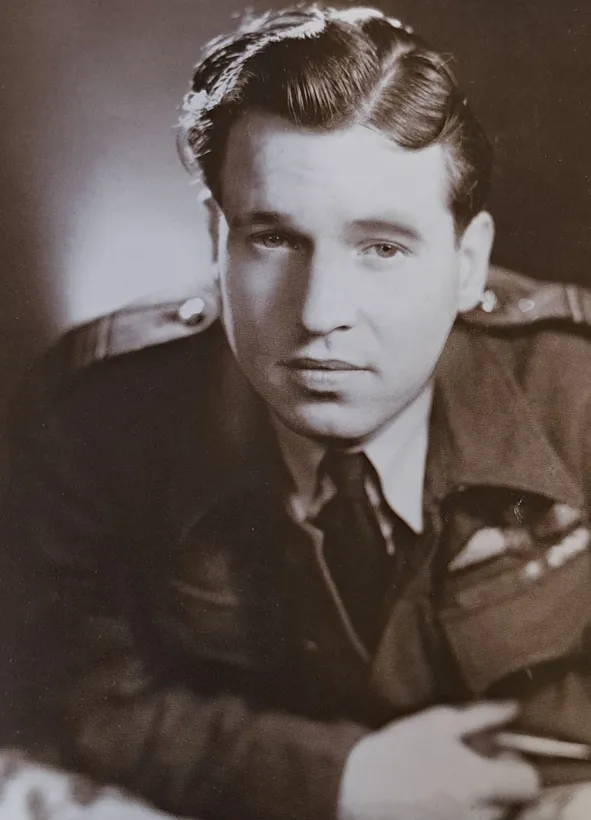
Guy Gibson
Guy Penrose Gibson, born in Cornwall, England, was a fierce, iron-willed character. He was the Squadron Leader of 617 Dambuster Squadron and led the squadron on the famous Operation Chastise on May 16/17, 1943. A great aviator and a stubborn "don't take no for an answer" officer. Don't believe the smooth character in the movie version. Guy is in CASPIR because he was killed in KB267, a pure Bomber version of the Mosquito manufactured in Downsview Ontario Canada.
Edward James Wright
Ted Wright had been independent since aged fourteen.
Edward "Ted" was born in 1928 but stated on his enlistment papers that he was born in 1925. He had permission from his parents to enlist. He passed his physical and in late 1943 he trained as an air gunner - he was 14 years old.
On April 30, 1945, 8 days before VE Day, Ted perished in the training crash of Lancaster KB879 flying with 428 Squadron out of Middleton St George. He was the youngest Canadian aviator to die in the Second World War.
Post Second World War
Canada continued as a place for North Atlantic Treaty Organization "NATO" training. This continued for most of the Cold War. Thomas Andrew Thorrat from Britain was involved in an accident that changed the course of air traffic control, designating military training airspace as off-limits to civilian aircraft, and an overall understanding of the dangers inherent in civil aviation.
Thomas Andrew Thorrat
Acting Pilot Officer Thomas Andrew Thorrat of the RAF was on a routine NATO training exercise in Moose Jaw Saskatchewan. He was engaged to be married to Donna Brodie of Moose Jaw. On April 8, 1954 during a routine cross-country navigation exercise, while climbing to his 9,000 foot assigned altitude in Harvard Mark IIb 3309, his aircraft struck Canadair North Star TCA223 which was on a flight from Winnipeg to Calgary. The North Star had thirty-one passengers and four flight crew on board. All perished in the accident. Also killed was Martha Hawden, a housekeeper working in a suburban home in Moose Jaw.
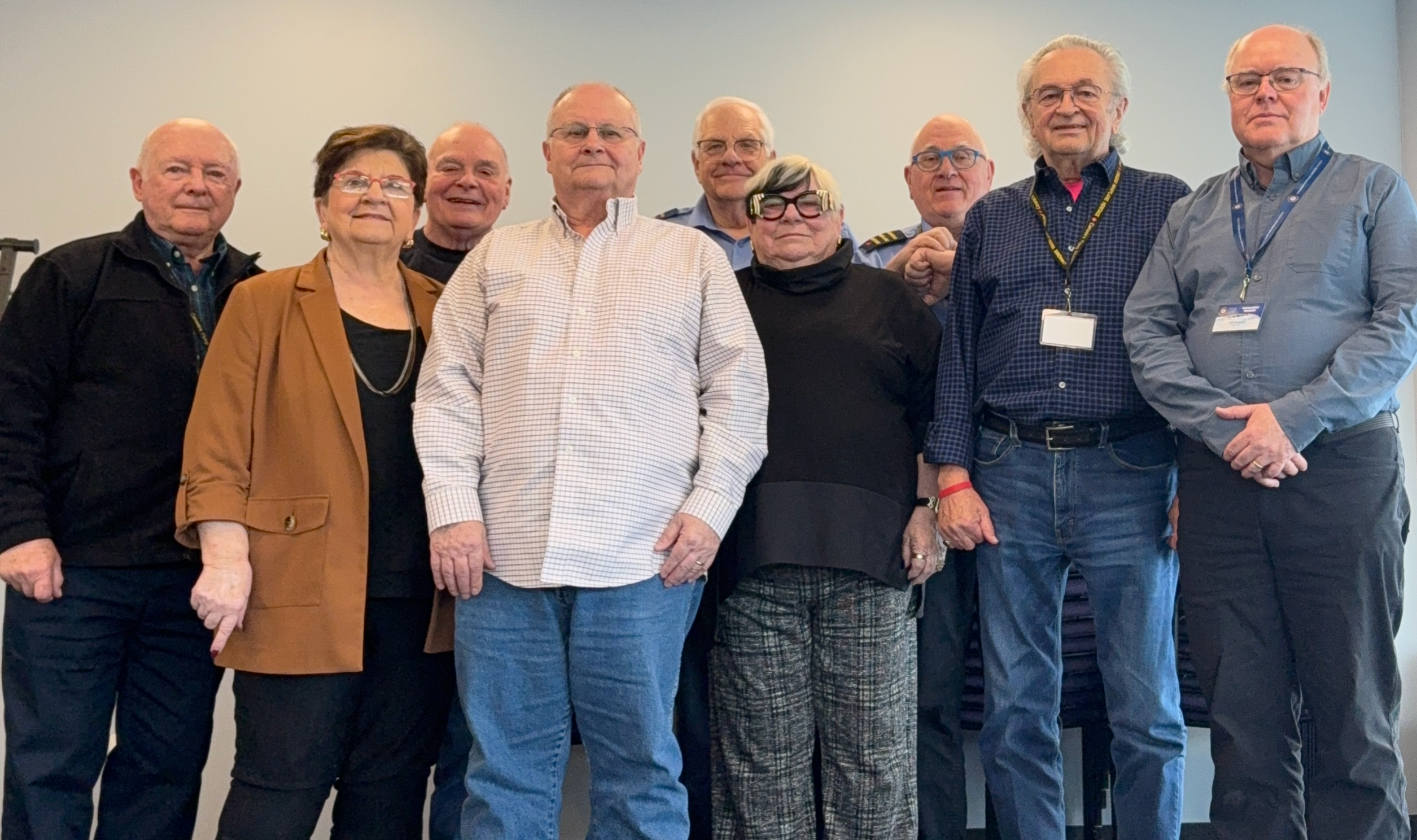
The CASPIR Team
- Greg Neid (Team leader, Software and System Design)
- Malcolm Ramsay (Aircraft Personnel and Air War Events)
- Ken Murphy (Aircraft)
- Rick Holsey (Personnel and Air War Events)
- Sandra Lovelace (Personnel)
- Laraine Spencer (Personnel)
- Douglas Dalgleish (Squadrons and Bomber Command)
- Peter Foley (WW1)
- David Poissant (2nd Tactical Air Force)
- Ross Dawson
- Alexander Felch (early Canadian aircraft)
- Dave Cattle
- John Desramaux (Canadian Squadrons)
- Peter Allan (Aircraft technical specifications)
- Al Mickeloff CWHM
- Emily Mascitti CWHM
Special thanks:
- Andrew Pentland at airhistory.uk.org
- Nathan Kachur at rcaf.info
- Harold Skaarup at silverhawkauthor.com
- Terrence Leversedge at kestrelpublications.com
External Liaison:
Major Fred Paradie, RCAF Office of History Heritage, Chief Warrant Officer (retired) Mike Kaehler, Dr Richard Mayne, RCAF Chief Historian
Now retired from the team and always fully appreciated:
Hugh Arklie (PoW, Evader, Interned), Mike Buchok (C# software), Chip Chapman (Software and Documentation, Mustangs), Len Creamer (Air War Stories), Edward Das (Halifaxes), Rob Harshman (History/Education Team), Nathan Kachur (BCATP Bases Operations), Colin Lindsay (Consultations), Michael Lin (Aircraft), Mike LoSchiavo (History/Education Team), Tom Marranca (Aircraft Technical), Benoit de Mulder (server Security Consulting, Aircraft), Chuck Tolley (158 Squadron), Henry Van Weeren (Lancasters)
Wish to Volunteer?
Our greatest need is software and systems people. But if you wish to volunteer and have specific expertise, we welcome you.