Aird, James Storey (Sergeant)
Killed in Action 1943-February-19
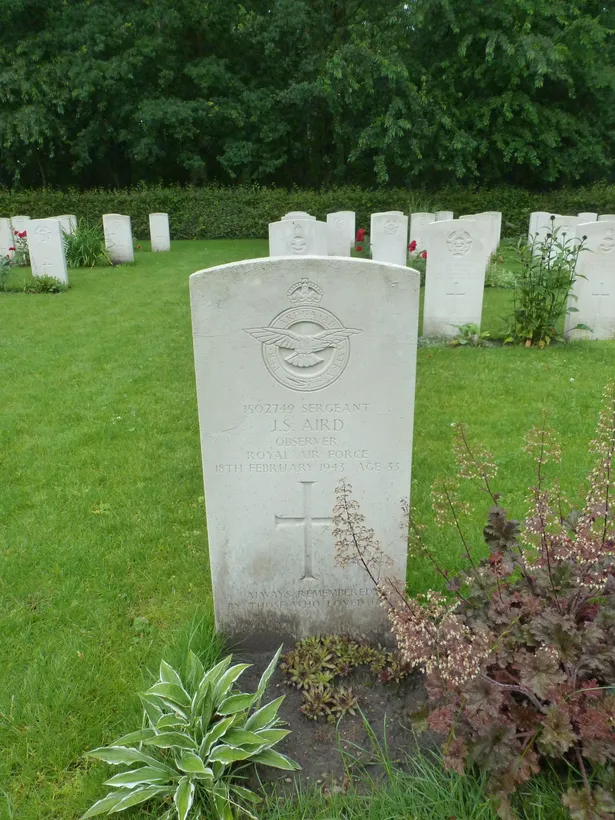

Birth Date: 1910
Born:
Parents: Son of James and Jane Aird, of North Shields, Northumberland
Spouse: Husband of Karen Maria Aird, of North Shields
Home: North Shields, Northumberland, England
Enlistment:
Enlistment Date: unkown date
Service
RAFVR
Unit
9 (B) Sqn- Squadron (RAF)
Per Noctem Volamus Through out the night we fly
Base
RAF Waddington
Rank
Sergeant
Position
Navigator
Service Numbers
1502749
Target
 Wilhelmshaven Germany
Temporary Burial
Jever Cemetery, Germany near crash site
Remains were later exhumed from this location and reburied
 100141 Aird.pdf
 Commonwealth War Graves Commission
 Finadagrave.com
Crew or Other Personnel
Lancaster ED492



Mission
Lancaster Mk.I/III ED492
Bombing Wilhelmshaven Germany 1943-February-18 to 1943-February-19
9 (B) Sqn (RAF) RAF Waddington
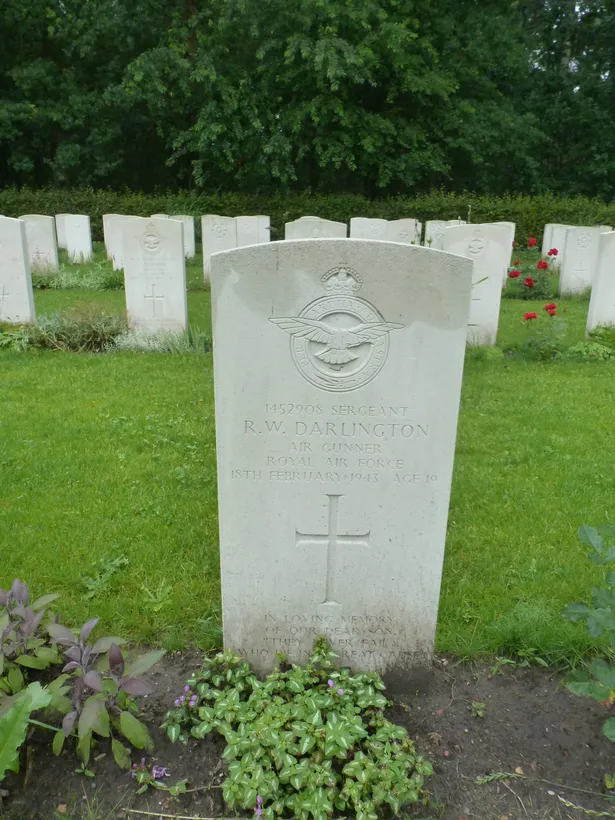
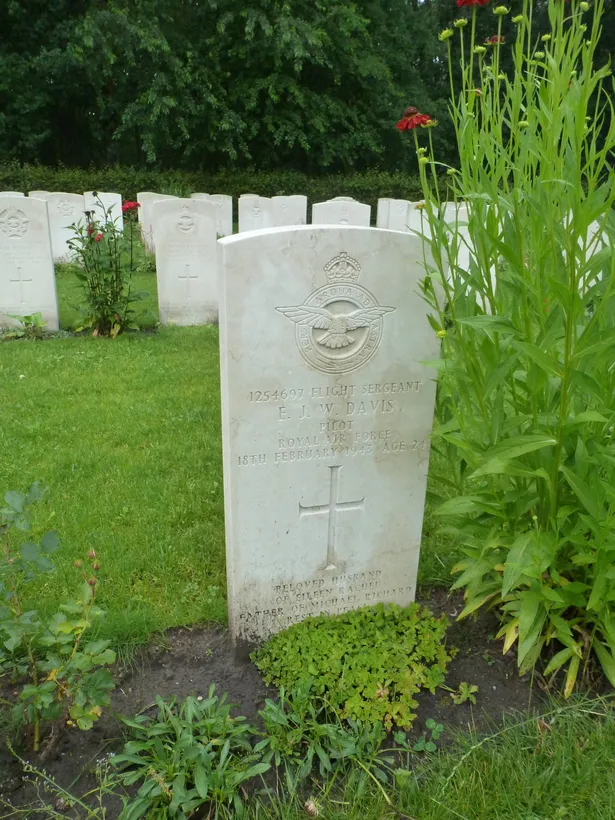
9 Squadron (Per noctum volamus) RAF Waddington. Lancaster III aircraft ED 492 WS-W was reported as involved in a mid-air collision with another Lancaster near the target area of Wilhelmshaven, Germany by there is also a claim from heavy flak battery Marine Flak Abt 282 at Hooksiel, Germany. The Lancaster crashed at Schreiersort, near Wangerland, Germany with the loss of four aircrew members killed
Flight Sergeant Ernest John Walter Davis (RAFVR), Sergeant James Storey Aird (RAFVR), Sergeant Alfred Thomas Berwick (RAFVR) and Sergeant Ralph William Darlington (RAFVR) were all killed in action
Sergeant Howard Wallace Fullard (RCAF), Warrant Officer James Vaughan (RAFVR) and Warrant Officer John Arthur Jones-Ford (RAFVR) all survived to become Prisoners of War
Nachtjagd Combat Archive 1943 Part One - 1 January - 22 June by Theo Boiten, page 29
Bombers First and Last by Gordon Thorburn, page 377
Lancaster serial: ED492
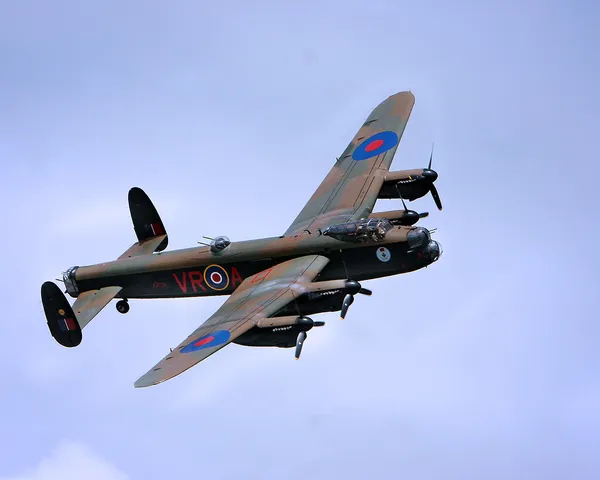
Canadian Warplane Heritage Museum
The Avro Lancaster is a British Second World War heavy bomber. It was designed and manufactured by Avro as a contemporary of the Handley Page Halifax, both bombers having been developed to the same specification, as well as the Short Stirling, all three aircraft being four-engined heavy bombers adopted by the Royal Air Force (RAF) during the same wartime era.
The Lancaster has its origins in the twin-engine Avro Manchester which had been developed during the late 1930s in response to the Air Ministry Specification P.13/36 for a capable medium bomber for "world-wide use". Originally developed as an evolution of the Manchester (which had proved troublesome in service and was retired in 1942), the Lancaster was designed by Roy Chadwick and powered by four Rolls-Royce Merlins and in one version, Bristol Hercules engines. It first saw service with RAF Bomber Command in 1942 and as the strategic bombing offensive over Europe gathered momentum, it was the main aircraft for the night-time bombing campaigns that followed. As increasing numbers of the type were produced, it became the principal heavy bomber used by the RAF, the Royal Canadian Air Force (RCAF) and squadrons from other Commonwealth and European countries serving within the RAF, overshadowing the Halifax and Stirling. Wikipedia
 Lancaster Bomber
 Wikipedia
Lancaster ED492 Mk.I/III - Bombing Wilhelmshaven Germany - 1943-02-18 to 1943-02-19
War Diary Unavailable
6 Group Unavailable
9 Squadron (Per noctum volamus) RAF Waddington. Lancaster III aircraft ED 492 WS-W was reported as involved in a mid-air collision with another Lancaster near the target area of Wilhelmshaven, Germany by there is also a claim from heavy flak battery Marine Flak Abt 282 at Hooksiel, Germany. The Lancaster crashed at Schreiersort, near Wangerland, Germany with the loss of four aircrew members killed
Flight Sergeant Ernest John Walter Davis (RAFVR), Sergeant James Storey Aird (RAFVR), Sergeant Alfred Thomas Berwick (RAFVR) and Sergeant Ralph William Darlington (RAFVR) were all killed in action
Sergeant Howard Wallace Fullard (RCAF), Warrant Officer James Vaughan (RAFVR) and Warrant Officer John Arthur Jones-Ford (RAFVR) all survived to become Prisoners of War
Nachtjagd Combat Archive 1943 Part One - 1 January - 22 June by Theo Boiten, page 29
Bombers First and Last by Gordon Thorburn, page 377
