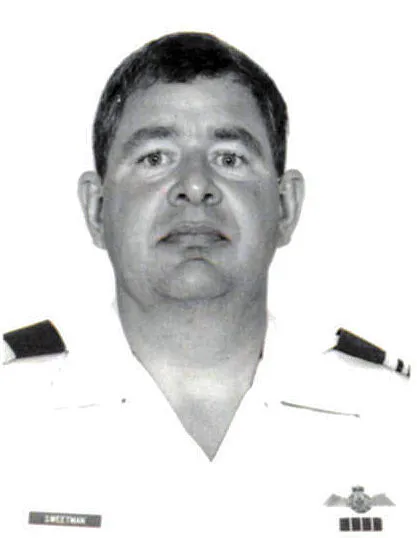
Maj W.C. Sweetman also killed.Book of Remembrance has him as Navy - Incorrect.
Henderson, Robert Raymond (Major)
Killed in Flying Accident 1994-April-28
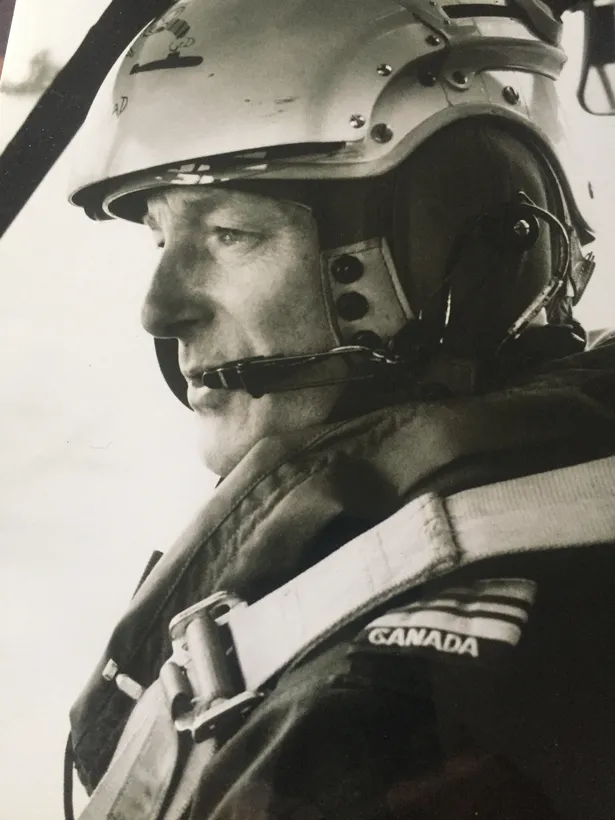

Birth Date: 1946-July-13
Born:
Parents: son of Victoria, British Columbia.
Spouse:
Home:
Enlistment:
Enlistment Date: 1965-September-08
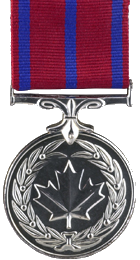
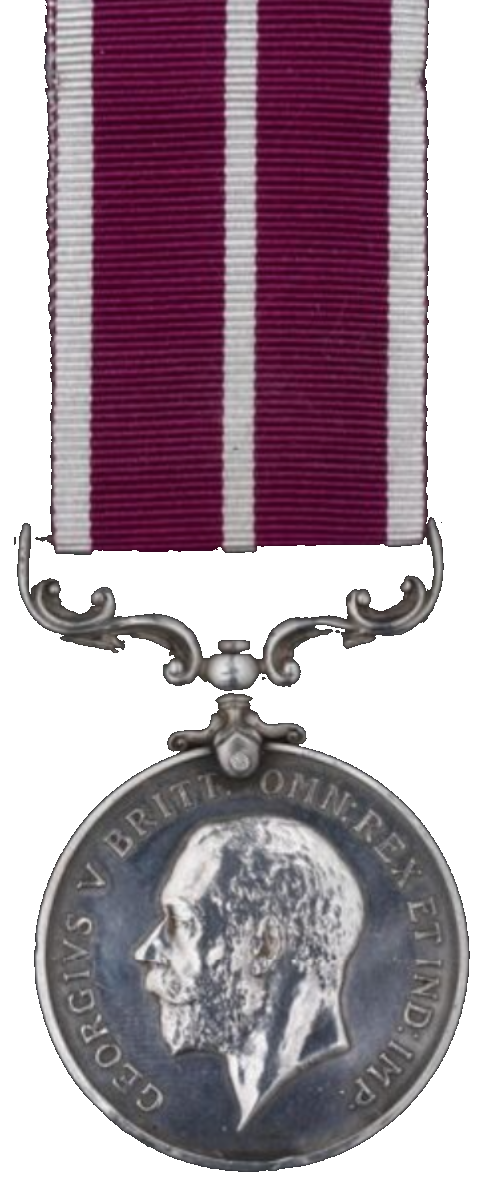
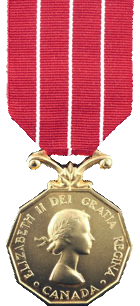
Service
RCAF
Unit
443 Sqn- Squadron
Our Sting is Death
Base
Rank
Major
Position
Pilot
Service Numbers
V/10311670
 Canadian Virtual War Memorial
Sea King serial: 4025

Source: Harold A Skaarup Web Page (RCAF Photo)
Sikorsky CH-124 Sea King (Serial No. 4036), during waterbird training at Morris Lake, Dartmouth, Nova Scotia, 2011
Sikorsky CH-124 Sea King (Serial No. 4036), during waterbird training at Morris Lake, Dartmouth, Nova Scotia, 2011
The Sikorsky CH-124 Sea King is a twin-engined anti-submarine warfare (ASW) helicopter designed for shipboard use by Canadian naval forces, based on the US Navy's SH-3. It served with the Royal Canadian Navy (RCN) and Canadian Armed Forces from 1963 to 2018.
The advent of nuclear-powered attack submarines in the late 1950s prompted RCN leaders to assess the new threat they posed. Although these craft were noisier than older submarines and could therefore be detected at longer ranges, they were also capable of 30 knots (56 km/h) while submerged, which was faster than the top speed of the RCN's new St. Laurent-class destroyer escorts at 28.5 knots (52.8 km/h). Some RCN leaders harbored serious doubts that the destroyers could effectively pursue and destroy such fast vessels, even when operating in pairs. During a 25 February 1959 meeting of the Naval Board, it was decided that the Navy would counter the new threat by outfitting destroyers for helicopter operation.
The first of 41 helicopters would be delivered in 1963 carrying the designation CHSS-2 Sea King. The airframe components were made by Sikorsky in Connecticut but most CHSS-2s were assembled in Longueuil, Quebec, by United Aircraft of Canada (now Pratt & Whitney Canada), a subsidiary of Sikorsky's parent company, United Aircraft. On 27 November 1963, the new landing platform aboard HMCS Assiniboine was used for the first operational destroyer landing of a production CHSS-2. Upon the unification of Canada's military in 1968, the CHSS-2 was re-designated CH-124.
In the 1960s, the RCN developed a technique for landing the huge helicopters on small ship decks, using a 'hauldown' winch (called a "Beartrap"), earning aircrews the nickname of "Crazy Canucks". The Beartrap allows recovery of the Sea King in virtually any sea state. In 1968, the RCN, Royal Canadian Air Force (RCAF) and Canadian Army unified to form the Canadian Forces; air units were dispersed throughout the new force structure until Air Command (AIRCOM) was created in 1975. Wikipedia
 Wikipedia Sikorsky CH-124 Sea King
 Harold A Skaarup Web Page
 CH-124 Sea King Kestrel Publications
Unit Desciption
443 Sqn Our Sting is Death ("Hornet")
History of the Squadron before and during World War II (Aircraft: Spitfires IXB, XIV, XIVE.)
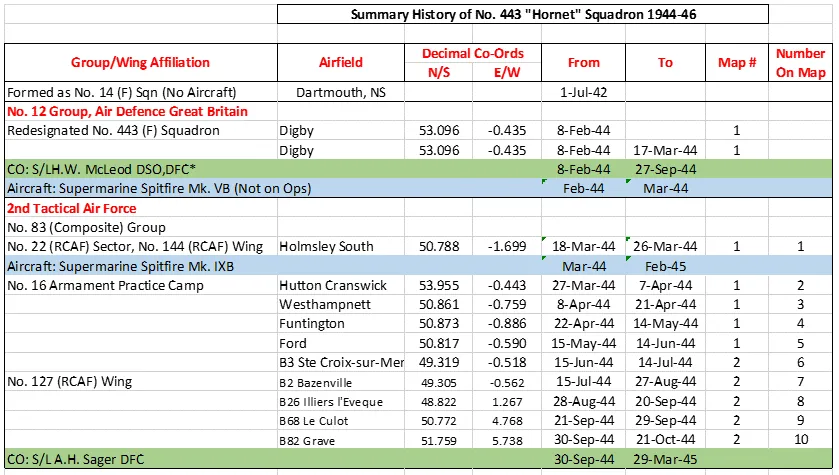
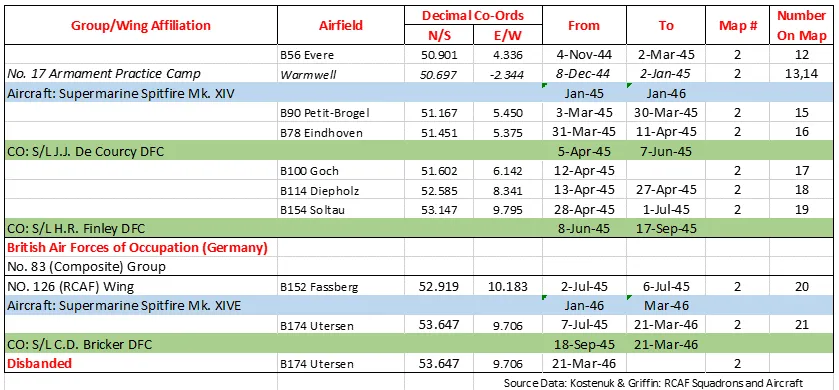
No 443 (F) Squadron was formed in Dartmouth, Nova Scotia  as No. 127 (F) Squadron RCAF on January 2, 1942. It was the sixth of six home squadrons transferred overseas without its aircraft, and was re-designated No. 443 (F) Squadron RCAF at Digby, Lincolnshire, UK on February 8 1944. It flew Spitfire aircraft in offensive and defensive operations in the preparation for D-Day, and 443 Squadron, along with its sister squadrons 441 and 442, commenced flying operations with 144 (F) Wing RCAF, W/C Johnnie Johnson commanding, of the 2nd Tactical Air Force just prior to the Normandy Invasion. 144 (F) Wing RCAF was the first Allied air wing to operate from French soil. These operations continued until August 1944. The Squadron then hop-scotched across France, Belgium, and Holland with 126 and 127 (F) Wings RCAF until "VE" Day. They continued to serve with the British Occupation Forces on the cessation of hostilities in Europe, the squadron being assigned to the British Air Forces of Occupation (Germany). The squadron was disbanded at Utersen, Germany on March 21, 1946.
In the course of operations, the squadron flew 5850 sorties for the loss of 20 pilots, of whom 1 was killed, 8 presumed dead and 6 POWs. They accounted for 42 enemy aircraft confirmed destroyed, 2 probables and 29 damaged. In ground attacks they were credited with 1077 motor vehicles, 25 locomotives among other vehicles. The squadron had 1 ace: Squadron Leader H.W. McLeod, DSO, DFC and Bar. The squadron amassed 1 DSO, 6 DFCs. Battle Honours were: Fortress Europe 1944, France and Germany 1944-45, Normandy 1944, Arnhem, Rhine. Wikipedia, Kostenuk and Griffin
Maps for Movements of 443 Squadron 1944-46
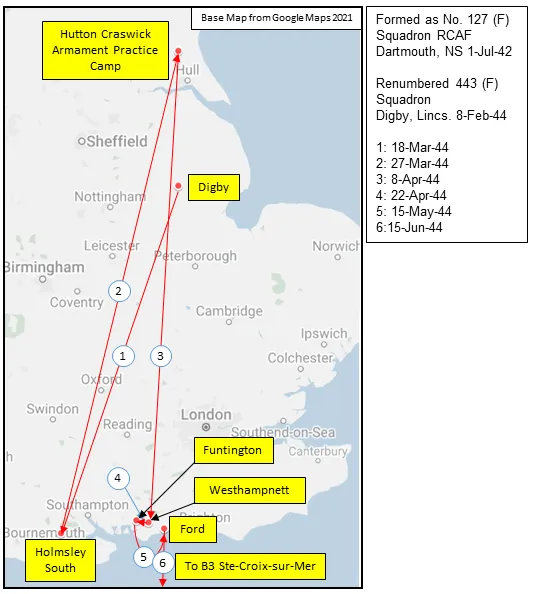
MAP 1: 443 Squadron Movements 1944-46 (right-click on image to display enlarged in new tab)
|
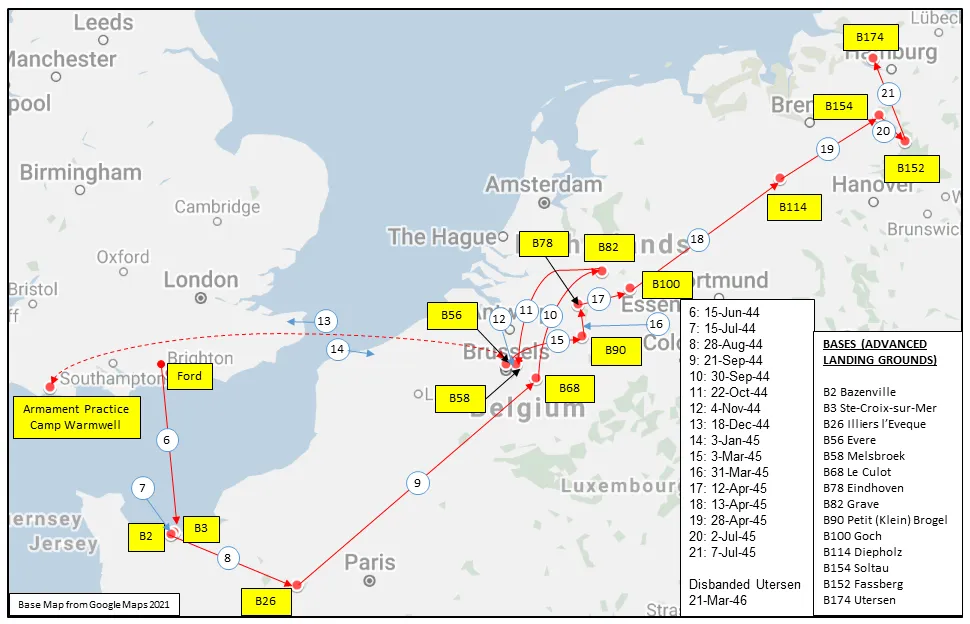
MAP 2: 443 Squadron Movements in Europe 1944-46
|
443 Squadron History Summary 1944-46
443 Squadron History Summary 1944-46 Page 2
History of the Squadron Post-WWII (Aircraft: Mustang IV, Sabre 5, Expeditor, Otter, Sea King)
On 1 September 1951, the squadron was re-formed at Sea Island, Vancouver, as a Day Fighter Squadron in the RCAF Auxiliary, first flying P-51 Mustangs and eventually F-86 Sabres. In 1958, with the RCAF Auxiliary assuming the roles of Civil Defence, Search and Rescue and Light Transport, 443 (Aux) Squadron was re-equipped with the C-45 Expeditor and later the DHC-3 Otter and performed these roles until its second disbandment in March of 1964.
A decade later, in Shearwater, Nova Scotia , the Royal Canadian Navy’s only ship-borne helicopter squadron HS 50 (HS is the NATO designation for a Helicopter Anti-Submarine Squadron) was successfully meeting the needs of the Navy. However, to better administer HS 50 Squadron, it was split into HS 423 and HS 443 in September of 1974. Each squadron was tasked with continuing to provide the Commander of Maritime Command with operational Sea King Helicopter Detachments.
In response to the ever-growing need for ship-borne helicopter assets in the Pacific, HS 443 Squadron was transferred to Victoria International Airport at Pat Bay, British Columbia , in July of 1989 where it now provides the Commander of Maritime Forces Pacific with Helicopter Air Detachments. Early in 1995, HS 443 was re-designated as 443 Maritime Helicopter (MH) Squadron to better fit the ever-changing geopolitical situations and the increasingly diverse roles of maritime helicopters and the ships they support. The squadron now flies CH-145 Cyclone helicopters.