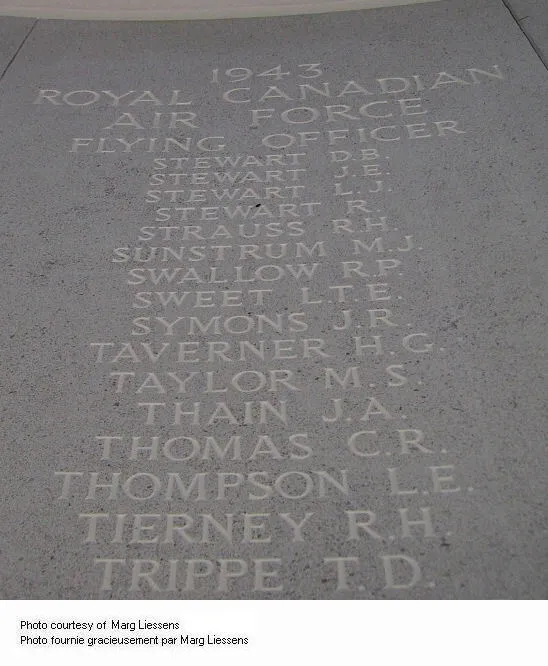
Runnymede Memorial, Surrey, England
Sunderland Mk III W6031
SOS received from the aircraft at 19:10 reporting that it had been damaged by AA fire from a U-boat that it was attacking, and that it was making for Gibraltar. Nothing further was heard from it, lost without trace.
Aircraft ditched approximately 150 miles West of Gibraltar.
Fisher, Ronald Montague (Sergeant)
Killed in Action 1943-November-20


Birth Date: 1924
Born:
Parents: Reginald Walter and Grace Fisher
Spouse:
Home: Torrishome, Lancashire, England
Enlistment:
Enlistment Date: unkown date
Service
RAF
Unit
432 (MP) Sqn- Squadron
Saeviter Ad Lucem Ferociously toward the light
Base
RAF St. Angelo, Fermanaugh, N. Ireland
Rank
Sergeant
Position
Flt Engineer - AG
Service Numbers
1625511
Crew or Other Personnel
Sunderland W6031
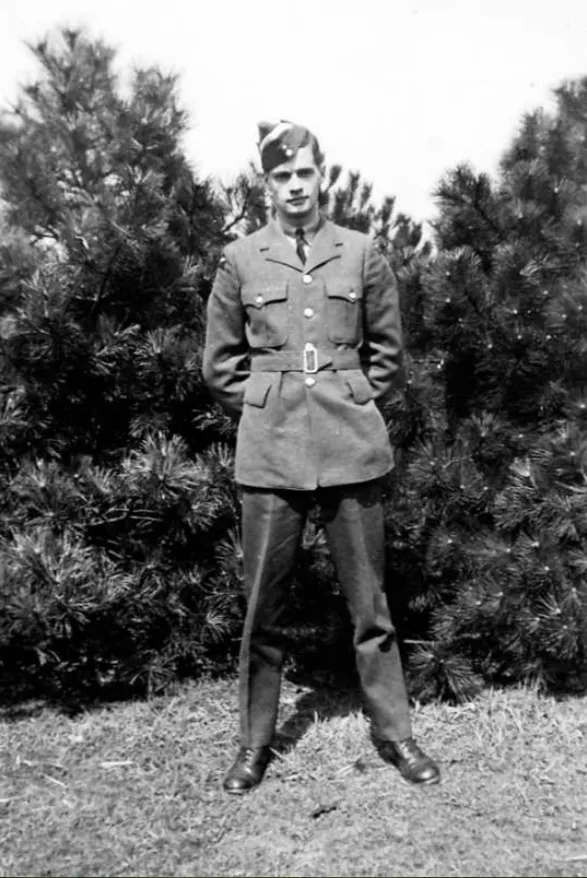

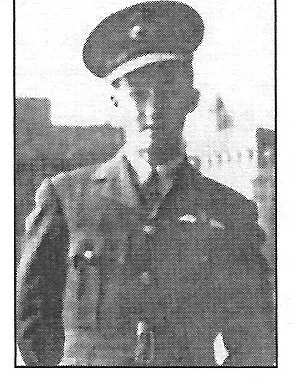
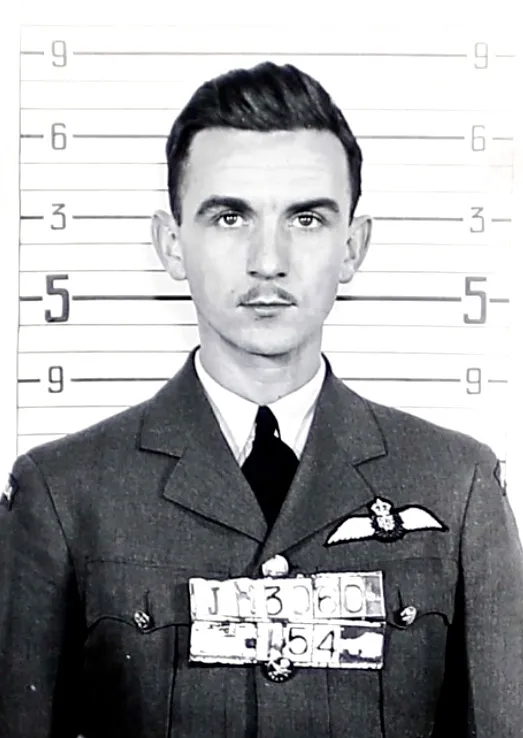

Mission
Sunderland Mk. III W6031
Convoy Patrol 1943-November-20 to 1943-November-20
(GR) Sqn (RCAF) Castle Archdale
Operated by No. 422 (GR) Squadron, RCAF from 12 December 1942, coded "G". Operating from Castle Archdale on 16 June 1943, when it sighted 3 u-boats near 44-04N 13-42W, but lost them in haze before an attack could be started. Escorted convoys returning from Africa on 20(?) November 1943.
In the vicinity of combined convoy SL-139/MKS-30: forewarned by the Naxos radar detector, U-648 fought off the Sunderland with accurate AA fire. Approx. one hour later the aircraft sent a distress call saying it was about to ditch at 42°40N/19°30W. The crew of 11 were never found.
source: Malcolm Deeley, Ulster Aviation Society
R H Strauss, W.S. Johnson, J.D. Ulrichsen, C.G. Gorrie, FSs N. Barrett, B.G. Burton (RAF), R.A. Park (RAF), Sergeants N.P. Cook (RAF), and N.N. Lewis (RAF) were killed. Two others of the crew, not Canadians, missing believed killed.Sunderland serial: W6031

Source: Harold A Skaarup Web Page (DND Photo)
Short Sunderland, coded Z, 15 Apr 1943
Short Sunderland, coded Z, 15 Apr 1943
The Short S.25 Sunderland was a British flying boat patrol bomber, developed and constructed by Short Brothers for the Royal Air Force (RAF). The aircraft took its service name from the town (latterly, city) and port of Sunderland in North East England.
Developed in parallel with the civilian S.23 Empire flying boat, the flagship of Imperial Airways, the Sunderland was developed specifically to conform to the requirements of British Air Ministry Specification R.2/33 for a long-range patrol/reconnaissance flying boat to serve with the Royal Air Force (RAF). As designed, it served as a successor to the earlier Short Sarafand flying boat. Sharing several similarities with the S.23, it featured a more advanced aerodynamic hull and was outfitted with various offensive and defensive armaments, including machine gun turrets, bombs, aerial mines, and depth charges. The Sunderland was powered by four Bristol Pegasus XVIII radial engines and was outfitted with various detection equipment to aid combat operations, including the Leigh searchlight, the ASV Mark II and ASV Mark III radar units, and an astrodome.
The Sunderland was one of the most powerful and widely used flying boats throughout the Second World War. In addition to the RAF, the type was operated by other Allied military air wings, including the Royal Australian Air Force (RAAF), Royal Canadian Air Force (RCAF), South African Air Force (SAAF), Royal New Zealand Air Force (RNZAF), French Navy, Norwegian Air Force, and the Portuguese Navy. During the conflict, the type was heavily involved in Allied efforts to counter the threat posed by German U-boats in the Battle of the Atlantic. Wikipedia
 Wikipedia Short Sunderland
 Harold A Skaarup Web Page
 YouTube Short Sunderland (1940-1949)
Sunderland Mk. III W6031
Unit Desciption
432 (MP) Sqn Saeviter Ad Lucem ("Leaside")
History of the Squadron during World War II (Aircraft: Wellington X, Lancaster II, Halifax III, VII)
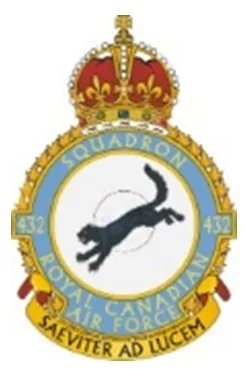
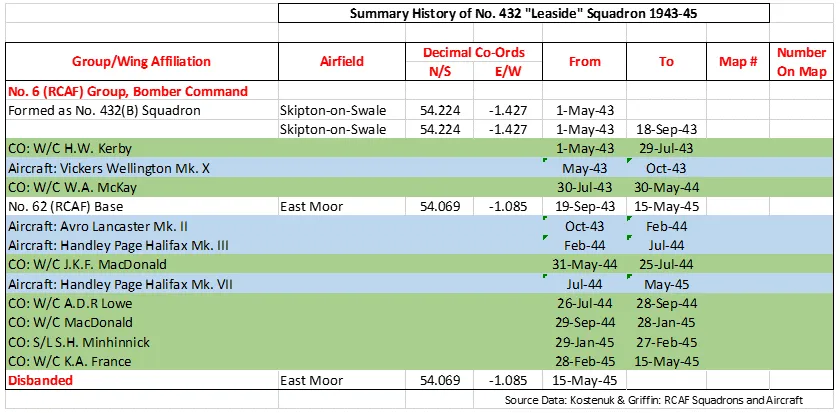
The Squadron was the twelfth RCAF bomber squadron to be formed overseas in WWII. It was formed on May 1, 1943 at Skipton-on-Swale, Yorkshire, UK  as a unit of No 6 (RCAF) Group of RAF Bomber Command: indeed, it was the first bomber squadron to be formed directly into No 6 Group. Using the squadron identification letters QO it flew Vickers Wellington Mk X medium bombers until it moved to East Moor, Yorkshire on 19th September 1943, when it re-equipped with Avro Lancaster Mk II aircraft. East Moor was part of No 62 (RCAF) Base. The squadron re-equipped with Handley Page Halifax Mk III aircraft in February 1944, and with Halifax Mk VII in July of that year, and continued with them until the squadron was disbanded at East Moor on May 15, 1945.
In the course of operations the squadron flew 246 missions, involving 3130 individual sorties, for the loss of 73 aircraft. 8980 tons of bombs were dropped. Awards to squadron members included 2 DSOs, 119 DFCs,1 Bar to DFC, 1 CGM, 20 DFMs and 1 Croix de Guerre (France). Battle Honours were: English Channel and North Sea 1943, Fortress Europe 1943-44, France and Germany 1944-45, Biscay Ports 1944, Ruhr 1943-45, Berlin 1943-44, German Ports 1943-45, Normandy 1944, Rhine, Biscay 1943.Moyes, Kostenuk and Griffin
Squadron History (Bomber Command Museum PDF)
Maps for Movements of 432 Squadron 1943-45
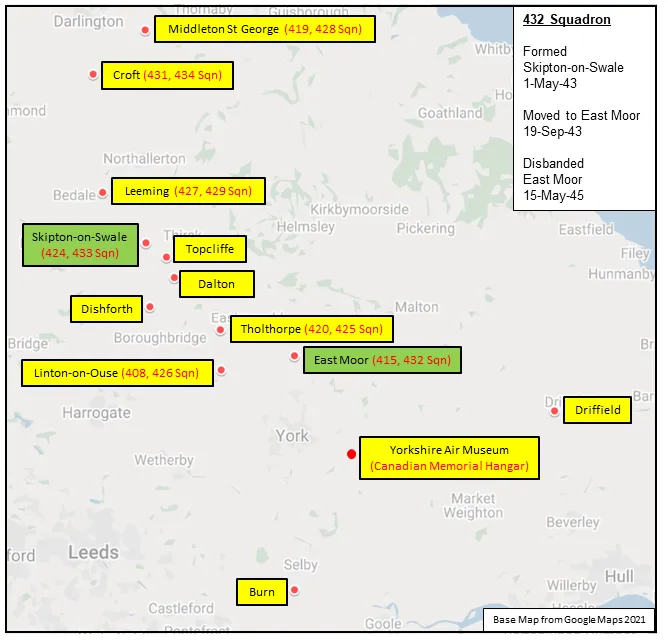
MAP 1: 432 Squadron Bases 1943-45 (marked in green). Right-click on image to display enlarged in new tab
432 Squadron History Summary 1943-45
History of the Squadron Post-WWII (Aircraft: Canuck)
The squadron was re-formed at Bagotville, Quebec as an All-Weather Fighter unit on 1 October 1954. The squadron flew Avro CF-100 Canuck aircraft on North American Air Defence until it was disbanded on 15 October 1961.
Sunderland W6031 Mk. III - Convoy Patrol - 1943-11-20 to 1943-11-20
Squadron: (GR) Sqn (RCAF)
Start Date: 1943-11-20
Completion Date: 1943-11-20
Mission: Convoy Patrol
Operation: unspecified
Target City:
Target Specific:
Base: Castle Archdale
Take Off Time:
Squadron Code:
Radio Code:
Return Base:
Return Time:
Crash City:
Crash Specifics:
Crash Latitude: 0.00000000
Crash Longitude: 0.00000000
Crash Reason:
Flak Battery:
Enemy Claim:
War Diary Unavailable
6 Group Unavailable
Operated by No. 422 (GR) Squadron, RCAF from 12 December 1942, coded "G". Operating from Castle Archdale on 16 June 1943, when it sighted 3 u-boats near 44-04N 13-42W, but lost them in haze before an attack could be started. Escorted convoys returning from Africa on 20(?) November 1943.
In the vicinity of combined convoy SL-139/MKS-30: forewarned by the Naxos radar detector, U-648 fought off the Sunderland with accurate AA fire. Approx. one hour later the aircraft sent a distress call saying it was about to ditch at 42°40N/19°30W. The crew of 11 were never found.
source: Malcolm Deeley, Ulster Aviation Society
R H Strauss, W.S. Johnson, J.D. Ulrichsen, C.G. Gorrie, FSs N. Barrett, B.G. Burton (RAF), R.A. Park (RAF), Sergeants N.P. Cook (RAF), and N.N. Lewis (RAF) were killed. Two others of the crew, not Canadians, missing believed killed.