Saunders, Michael John (Flying Officer)
Killed in Flying Accident 1954-October-10


Birth Date: 1932-February-02
Born: Bristol, Bristol Unitary Authority, Bristol, England
Parents: Son of Wilfred H. and Ethel L. Saunders
Spouse:
Home: Winnipeg, Manitoba
Enlistment: Winnipeg, Manitoba
Enlistment Date: 1954-April-29
Service
RCAF
Unit
121 ADC- Air Defence Command
Base
Sea Island, RCAF Station
Rank
Flying Officer
Position
Wireless Operator
Service Numbers
230535
 Winnipeg, Manitoba
 Canadian Virtual War Memorial
 Finadagrave.com
Crew or Other Personnel
Expeditor 2380
Mission
Expeditor Mk. 3NM 2380
Transport 1954-October-10 to 1954-October-10
121 (C & R) () ADC (RCAF) Sea Island, RCAF Station
121 Communications and Rescue Flight (C & R), Sea Island RCAF Station. Beechcraft Expeditor 2380 QT-380 struck a cliff face on Mount Arrowsmith, Vancouver Island en-route to Tofino, possibly as a result of engine failure, resulting in the loss of all four crew and passengers aboard.
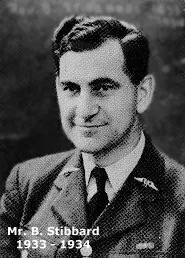
Flying Officer Lawrence Edwin Oppenheimer (RCAF), Flying Officer Michael John Saunders (RCAF), Squadron Leader (Chaplain) Bernard George Stibbards (RCAF) and civilian passenger, Electrical Engineer Ronald D Hall were all killed in this flying accident
 Mt Arrowsmith Beechcraft Expeditor crash? -
 The RCAF Plane That Disappeared on Mount Arrowsmith - YouTube
Expeditor serial: 2380
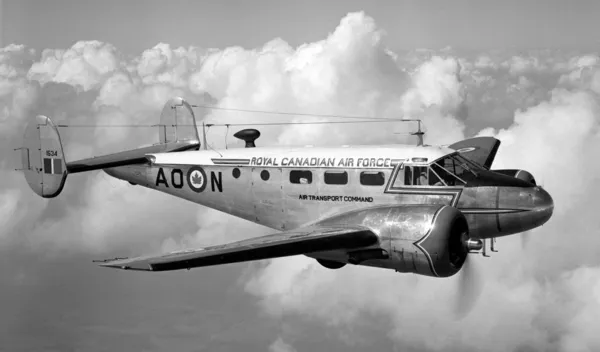
Beechcraft CT-128 Expeditor Mk. 3TM (Serial No. A-734), (Serial No. CA-134), RCAF (Serial No. 1534), coded AO-N, Air Transport Command.
The Beechcraft Model 18 (or "Twin Beech", as it is also known) is a 6- to 11-seat, twin-engined, low-wing, tailwheel light aircraft manufactured by the Beech Aircraft Corporation of Wichita, Kansas. Continuously produced from 1937 to November 1969 (over 32 years, a world record at the time), over 9,000 were built, making it one of the world's most widely used light aircraft. Sold worldwide as a civilian executive, utility, cargo aircraft, and passenger airliner on tailwheels, nosewheels, skis, or floats, it was also used as a military aircraft.
During and after World War II, over 4,500 Beech 18s were used in military service "“ as light transport, light bomber (for China), aircrew trainer (for bombing, navigation, and gunnery), photo-reconnaissance, and "mother ship" for target drones "“ including Royal Canadian Airforce (RCAF), United States Army Air Forces (USAAF) C-45 Expeditor, AT-7 Navigator, and AT-11 Kansan; and United States Navy (USN) UC-45J Navigator, SNB-1 Kansan, and others. In World War II, over 90% of USAAF bombardiers and navigators and pilots trained in these aircraft.
In the early postwar era, the Beech 18 was the pre-eminent "business aircraft" and "feeder airliner". Besides carrying passengers, its civilian uses have included aerial spraying, sterile insect release, fish stocking, dry-ice cloud seeding, aerial firefighting, air-mail delivery, ambulance service, numerous movie productions, skydiving, freight, weapon- and drug-smuggling, engine testbed, skywriting, banner towing, and stunt aircraft. Wikipedia
 Wikipedia Expeditor
Expeditor 2380 Mk. 3NM - Transport - 1954-10-10 to 1954-10-10
War Diary Unavailable
6 Group Unavailable
121 Communications and Rescue Flight (C & R), Sea Island RCAF Station. Beechcraft Expeditor 2380 QT-380 struck a cliff face on Mount Arrowsmith, Vancouver Island en-route to Tofino, possibly as a result of engine failure, resulting in the loss of all four crew and passengers aboard.
Flying Officer Lawrence Edwin Oppenheimer (RCAF), Flying Officer Michael John Saunders (RCAF), Squadron Leader (Chaplain) Bernard George Stibbards (RCAF) and civilian passenger, Electrical Engineer Ronald D Hall were all killed in this flying accident
Mt Arrowsmith Beechcraft Expeditor crash? -
The RCAF Plane That Disappeared on Mount Arrowsmith - YouTube
