1917-12-12: to be 2nd-Lieutenant, RFC.
1918-05-04: posted 21 Sqn, France.
1918-06-26: posted to 15Sqn, France.
1918-09-05: Landry was OH in RE-8; D-6732; when his under-carriage gave way on taxi out for patrol. His observer-gunner, 2Lt Percy Ernest Leslie Foot, (British) was also OK.
Landry, Joseph Robert (Lieutenant)
Survived 1918-September-05


Birth Date: 1896-June-07
Born: St Octave de Metis, Metane, Quebec
Parents: Charles-arthur Landry & Ulpide Caroline Marceau
Spouse:
Home: Mentane, Quebec
Enlistment:
Enlistment Date: unkown date
Service
RAF
Unit
15 (BR) Sqn- Squadron (RFC)
Base
France
Rank
Lieutenant
Position
pilot
Service Numbers
74261
Home
 Mentane, Quebec
R.E.8 serial: D6732
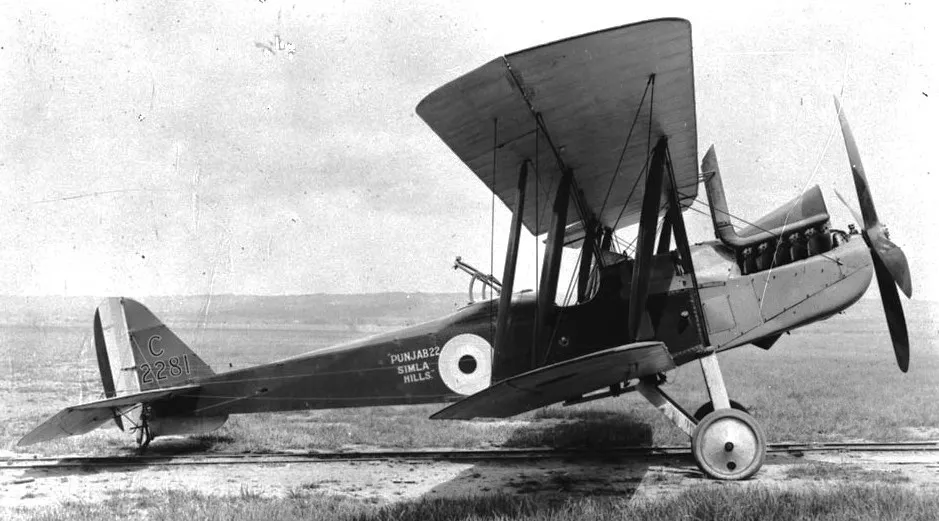
Source: Harold A Skaarup Web Page (Library and Archives Canada Photo, MIKAN No. 3390896)
Royal Aircraft Factory (Reconnaissance Experimental) R.E.8 (Serial No. C2281), "Punjab 22 Simla Hills", built by Daimler Company Ltd. Coventry, ca 1918
The Royal Aircraft Factory R.E.8 was a British two-seat biplane reconnaissance and bomber aircraft of the First World War designed and produced at the Royal Aircraft Factory. It was also built under contract by Austin Motors, Daimler, Standard Motors, Siddeley-Deasy and the Coventry Ordnance Works.
Intended as a replacement for the vulnerable B.E.2, the R.E.8 was widely regarded as more difficult to fly and gained a reputation in the Royal Flying Corps for being "unsafe" that was never entirely dispelled. Although eventually it gave reasonably satisfactory service, it was never an outstanding combat aircraft. Nonetheless, it remained the standard British reconnaissance and artillery observation aircraft from mid-1917 to the end of the war, serving alongside the rather more popular Armstrong Whitworth F.K.8.
More than 4,000 R.E.8s were eventually produced; these aircraft saw service in a range of different theatres, including Italy, Russia, Palestine and Mesopotamia, as well as the Western Front. The R.E.8 was rapidly withdrawn from service after the end of the conflict, by which time it was regarded as totally obsolete. Wikipedia
 Wikipedia Royal Aircraft Factory R.E.8
 Harold A Skaarup Web Page
R.E.8 R.E.8 D6732
airhistory.org.uk/rfc
Type: RE8 Built by: Coventry Ordnance Works Contract: AS27751 (dated 09-01-1918) Taken on charge: 05-1918