1917-09-29: to be Lieutenant, RFC
1918-08-29: to European Front with 115Sqn, by air.
1918-09-21: Firby was wounded in H.P. O/400, D-4588; during a bombing mission with 115Sqn, in France.
Firby, George Ambrose (Squadron Leader RCAF)
Survived 1918-September-21


Birth Date: 1896-November-10
Born: Carleton, Ontario
Parents: John Firby & Mary White Usher
Spouse: Beatrice Lillian Gard
Home: Toronto, Ontario
Enlistment:
Enlistment Date: unkown date
Service
RAF
Unit
115 (B) Sqn- Squadron (RFC)
Base
France
Rank
Squadron Leader RCAF
Position
pilot
Service Numbers
Home
 Toronto, Ontario
O/400 serial: D4588
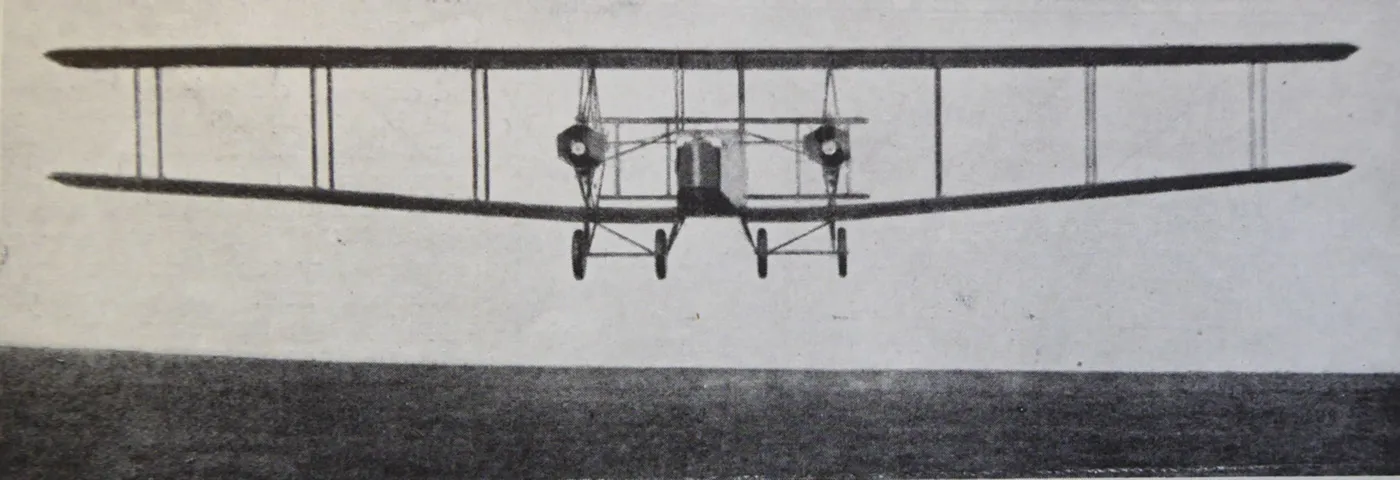
Handley Page O/400
Source History of War.org
The Handley Page Type O was a biplane bomber used by Britain during the First World War. When built, the Type O was one of the largest aircraft in the world. There were two main variants, the Handley Page O/100 (H.P.11) and the Handley Page O/400 (H.P.12).
The Handley Page O/400 was one of the first purpose built heavy bombers. The design order was issued by the Admiralty for the RNAS at the end of 1914, but the O/400 did not enter active service until March 1918, when it was used against German U-boat bases. It was then used against Germany shipping and ports, and had an increasing impact as the number of aircraft in operation increased. In addition to service on the western front, one O/400 was sent to the Aegean, where it operated against the Turks for three months before engine failure forced it out of action, and another was sent to Palestine to help General Allenby, again against the Turks, where its size made as much impact as its bombs. When the RNAS and RFC merged to form the RAF, the O/400 became its standard heavy bomber, but despite efforts to turn the O/400 into a transport plane, they had all gone out of service by the summer of 1923. Wikipedia
 Handley Page
O/400 D4588
airhistory.org.uk/rfc
Type: Handley Page O/400 Built by: Metropolitan Carriage Co Contract: AS28198 (dated 12-12-1917) Taken on charge: 07-1918