George Owen Johnson initially served as a 2nd Lieutenant with the Corps of School Cadet Instructors (CSCI) from 1913 to 1916. He was accepted for the Royal Naval Air Service (RNAS) in Canada, but transferred to the Royal Flying Corps before going overseas in May 1917. He scored 11 aerial victories in his WWI flying career, the last on 1918-06-17. In July 1919 he returned to Canada and was commissioned as a flight lieutenant in the Canadian Air Force (CAF) in 1920 (service number C4), and appointed an Assistant Director of Flying Operations in the Air Board. He participated in the first trans-Canada flight, October 7, 1920. He commanded flying stations, at Winnipeg and Trenton, attended RAF Staff College, Andover, attended Imperial Defence College, and became Assistant Director of Civil Government Air Operations. From June to December 1933 he was Acting Senior Air Officer, RCAF. In March 1938 was appointed first Commanding Officer of Western Air Command, at Jericho Beach Seaplane base. Throughout this period he was involved in the expansion of civil and military aviation, the use of aircraft in the exploration and mapping of Canada, and the creation of national and international air mail service.
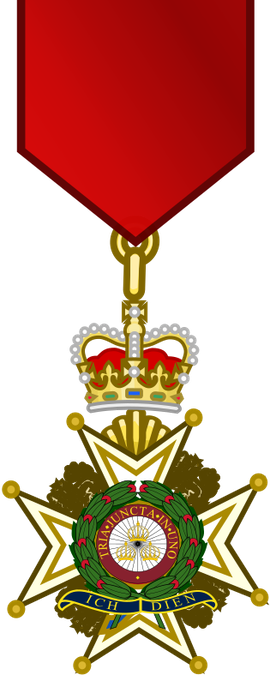
in WWII he was made Air Member for Organization and Training in October 1939 and began work on creating and executing the British Commonwealth Air Training Plan. He served as Deputy Chief of Air Staff (November 1940), AOC No.1 Training Command of the British Commonwealth Air Training Plan (July 1942), AOC Eastern Air Command (January 1943), and AOC RCAF Overseas (April 1945 to July 1946). He was awarded the Commander of the Bath (Military), the Legion of Merit (Commander) and the Légion d'honneur (Commandeur) as a result of his World War II service. He retired as Air Marshal in 1947.
Johnson, George Owen (Air Marshall, RCAF, WWII)
Survived 1917-May


Birth Date: 1896-January-24
Born: Woodstock, Oxford County, Ontario
Parents: Mrs. Ellen Collins Johnson & the late George E. Johnson
Spouse: 1) Jean Eleanor McKay 2) Sarah Jane Roberts
Home: Vancouver, BC
Enlistment:
Enlistment Date: 1913
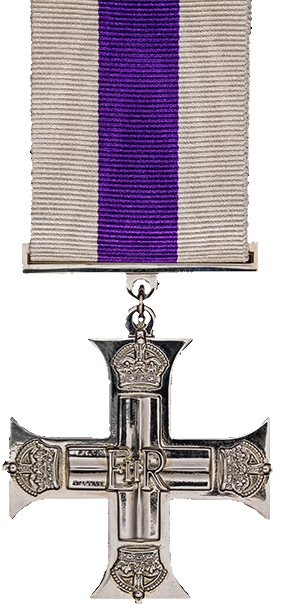
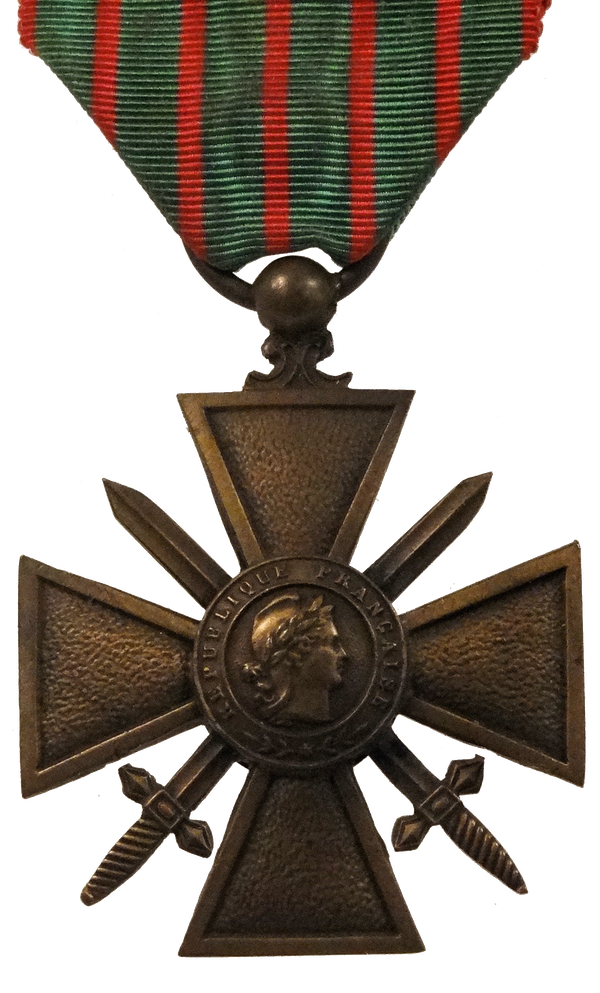
Decorations: CB, MC, CDGF, KHCOL (Nor), LoH
Service
RAF
Unit
84 (F) Sqn- Squadron (RFC)
Base
France
Rank
Air Marshall, RCAF, WWII
Position
pilot
Service Numbers
C/4
Home
 Vancouver, BC
 Library and Archives Canada Service Files (may not exist)