 Victoria, B.C. (parents)
1916-09-18: Beatty died in a forced landing/crash in Strutter, A-1903; in the French Lines when the petrol tank was shot up in an attack by an enemy aircraft. His pilot 2Lt. Neville Kemsley (British) survived the crash.
Beatty, Carl John (Second-Lieutenant)
Killed in Action 1916-September-18


Birth Date: 1889
Born: Avoca, Pennsylvania, USA
Parents: W. T. & Stella N. Beatty
Spouse: unmarried
Home: Victoria, B.C. (parents)
Enlistment: Victoria, B.C.: enlisted in RFC
Enlistment Date: 1915-October
Service
RFC
Unit
70 (BR) Sqn- Squadron (RFC)
Base
France
Rank
Second-Lieutenant
Position
air-gunner, observer
Service Numbers
259
 Canadian Virtual War Memorial
 Finadagrave.com
Strutter serial: A1903
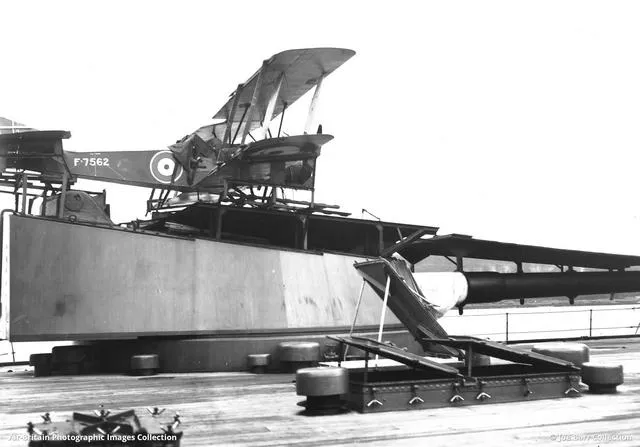
Source AirBritain
Sopwith Strutter HMAS Australia
Sopwith Strutter HMAS Australia
The Ship Strutter was a version of the 1-1/2 Strutter designed to be launched from platforms installed on top of the main gun turrets of battleships and battle cruisers. Most of the changes made to the Ship Strutter were designed to allow it to safely ditch in the sea, and included the installation of floats on either side of the fuselage and a hydrovane to prevent the aircraft from nose diving into the water. The Ship Strutters were also modified to make it possible to easily remove or attach the wings to allow the aircraft to be stored on the capital ships.
Most Ship Strutters were given a skid undercarriage. Landing platforms were built on the top of the gun turrets of battleships and battlecruisers, with twin troughs laid out down the platform. The skids would fit into the groves in the troughs, keeping the aircraft straight when taking off. This method of launching the Ship Strutter was tested in March-April 1918.
The Ship Strutter was used in deck landing trials on the earlier aircraft carriers. In this role a propeller guard was added below the front of the fuselage to keep the nose of the aircraft far enough above the flight deck of the carriers. The Ship Strutter was used in deck flying trails on HMS Argus in September 1918. The aircraft was not declared obsolete until 1921. History of War
 Ship Strutter