Symonds,Gordon John (Flight Sergeant)
Killed in Action 1945-April-08
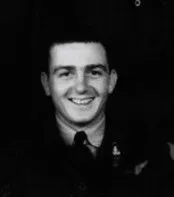

Birth Date: 1925
Born:
Parents: THOMAS CHARLES AND MABEL MAY SYMONDS, OF WANTAGE.
Spouse:
Home:
Enlistment:
Enlistment Date: unkown date
Service
RAFVR
Unit
9 (B) Sqn- Squadron (RAF)
Per Noctem Volamus Through out the night we fly
Base
RAF Bardney
Rank
Flight Sergeant
Position
Air Gunner
Service Numbers
1853705
 Botley Cemetery
Crew or Other Personnel
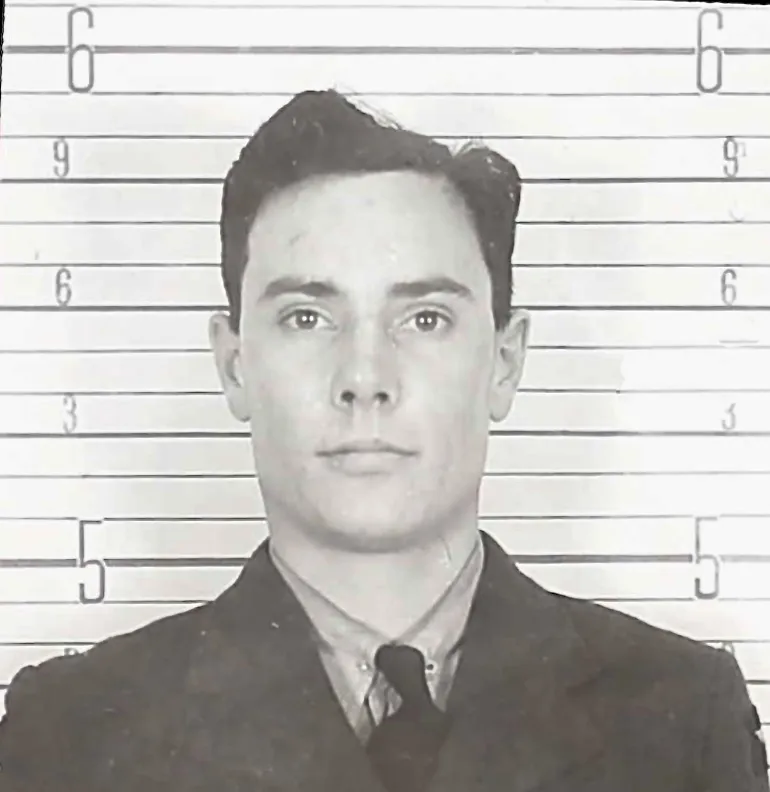
Lancaster HK788

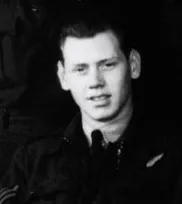
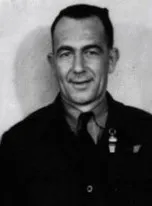
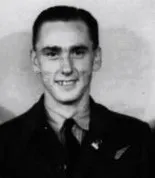
Mission
Lancaster Mk.I HK788
Bombing 1945-April-07 to 1945-April-08
9 (B) Sqn (RAF) RAF Bardney
9 Squadron (Per Noctem Volamus). The crew of Lancaster aircraft HK 788 were returning from operations over enemy territory when their aircraft crashed and exploded at Wantage, Berkshire, England. All seven members of the crew were killed
On the night of the 7 April 1945, 175 Lancasters and 11 Mosquitos were tasked by 5 Group, to destroy the benzol plant at Molbis, near Leipzig. (Benzol in a key ingredient of aviation fuel) Situated south of the city, and less than two miles east of Böhlen, Molbis had become a familiar destination for 5 Group via a well-trodden route across Belgium to pass south of Cologne. 9 Squadron prepared 12 Lancasters, each loaded with 1 x 2,000lb HC, 7 x 1,000lb MC and 4 x 500lb GP. They took off from RAF Bardney between 18.31 and 18.46hrs. The whole force found itself delayed by wrongly forecast head winds, and although it would reach the target area, not every aircraft would do so in time to participate in the attack. Green target indicators (TI) were released from 15,000 feet at 22.48hrs and the flare force followed up between 22.50 and 22.57hrs to enable the low-level Mosquitos to drop red and green TIs among the chimneys of the plant. The approaching main force crews were greeted by clear skies and the highly accurate and visible marking was an invitation for them to plaster the aiming-point with high explosives. Hugh and his crew in Lancaster HK788 were reported to have arrived back over England on fire and dived into the ground at Lyford, Oxfordshire, killing all seven crew, who were on their twenty-third operation.Richard S. James, 9 Squadron RAF, Association Historian
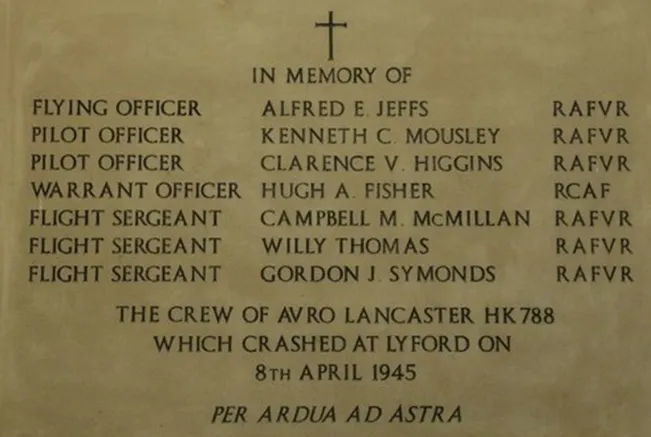
On the top of this memorial in Lyford Church is a small part of the crashed Lancaster HK788
Lancaster serial: HK788
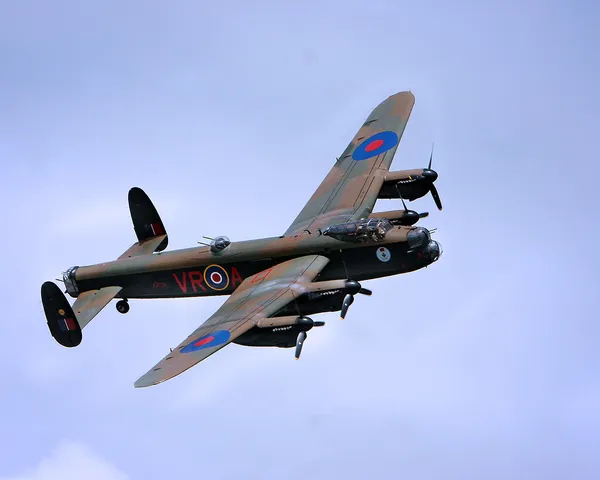
Avro Lancaster Mk. X RCAF Serial FM 213
Canadian Warplane Heritage Museum
Canadian Warplane Heritage Museum
The Avro Lancaster is a British Second World War heavy bomber. It was designed and manufactured by Avro as a contemporary of the Handley Page Halifax, both bombers having been developed to the same specification, as well as the Short Stirling, all three aircraft being four-engined heavy bombers adopted by the Royal Air Force (RAF) during the same wartime era.
The Lancaster has its origins in the twin-engine Avro Manchester which had been developed during the late 1930s in response to the Air Ministry Specification P.13/36 for a capable medium bomber for "world-wide use". Originally developed as an evolution of the Manchester (which had proved troublesome in service and was retired in 1942), the Lancaster was designed by Roy Chadwick and powered by four Rolls-Royce Merlins and in one version, Bristol Hercules engines. It first saw service with RAF Bomber Command in 1942 and as the strategic bombing offensive over Europe gathered momentum, it was the main aircraft for the night-time bombing campaigns that followed. As increasing numbers of the type were produced, it became the principal heavy bomber used by the RAF, the Royal Canadian Air Force (RCAF) and squadrons from other Commonwealth and European countries serving within the RAF, overshadowing the Halifax and Stirling. Wikipedia
 Lancaster Bomber
 Wikipedia
 Harold A Skaarup Web Page
Lancaster HK788 Mk.I - Bombing - 1945-04-07 to 1945-04-08
Squadron: 9 (B) Sqn (RAF)
Start Date: 1945-04-07
Completion Date: 1945-04-08
Mission: Bombing
Operation: unspecified
Target City:
Target Specific:
Base: RAF Bardney
Take Off Time: 18:37:00
Squadron Code:
Radio Code:
Return Base:
Return Time:
Crash City:
Crash Specifics:
Crash Latitude: 0.00000000
Crash Longitude: 0.00000000
Crash Reason:
Flak Battery:
Enemy Claim:
War Diary Unavailable
6 Group Unavailable
9 Squadron (Per Noctem Volamus). The crew of Lancaster aircraft HK 788 were returning from operations over enemy territory when their aircraft crashed and exploded at Wantage, Berkshire, England. All seven members of the crew were killed
On the night of the 7 April 1945, 175 Lancasters and 11 Mosquitos were tasked by 5 Group, to destroy the benzol plant at Molbis, near Leipzig. (Benzol in a key ingredient of aviation fuel) Situated south of the city, and less than two miles east of Böhlen, Molbis had become a familiar destination for 5 Group via a well-trodden route across Belgium to pass south of Cologne. 9 Squadron prepared 12 Lancasters, each loaded with 1 x 2,000lb HC, 7 x 1,000lb MC and 4 x 500lb GP. They took off from RAF Bardney between 18.31 and 18.46hrs. The whole force found itself delayed by wrongly forecast head winds, and although it would reach the target area, not every aircraft would do so in time to participate in the attack. Green target indicators (TI) were released from 15,000 feet at 22.48hrs and the flare force followed up between 22.50 and 22.57hrs to enable the low-level Mosquitos to drop red and green TIs among the chimneys of the plant. The approaching main force crews were greeted by clear skies and the highly accurate and visible marking was an invitation for them to plaster the aiming-point with high explosives. Hugh and his crew in Lancaster HK788 were reported to have arrived back over England on fire and dived into the ground at Lyford, Oxfordshire, killing all seven crew, who were on their twenty-third operation.Richard S. James, 9 Squadron RAF, Association Historian
On the top of this memorial in Lyford Church is a small part of the crashed Lancaster HK788
