Flight Lieutenant Lewis was safe back in the UK 1945-05-09
Footprints on the Sands of Time, RAF Bomber Command Prisoners of War in Germany 1939-45 by Oliver Clutton-Brock page 344


Birth Date: 1922-July-15
Born:
Parents:
Spouse:
Home: Akron, Ohio, USA
Enlistment:
Enlistment Date: unkown date
Service
RCAF
Unit
83 (B) Sqn- Squadron (RAF)
Strike To Defend
Base
RAF Wyton
Rank
Flight Lieutenant
Position
Bomb Aimer
Service Numbers
J/16111
PoW: 1270
 Akron, Ohio, USA
Pilsen Czechoslovakia
Akron, Ohio, USA
Pilsen Czechoslovakia
Flight Lieutenant Lewis was safe back in the UK 1945-05-09
Footprints on the Sands of Time, RAF Bomber Command Prisoners of War in Germany 1939-45 by Oliver Clutton-Brock page 344
83 Squadron (Strike To Defend), Pathfinder Force, RAF Wyton. Lancaster BI aircraft R 5484 OL-V was shot down by night fighter pilot Oberfeldwebel Kurt Karsten of the 7/NJG 4, flying a Bf 110 from Juvincourt airfield during an operation against the Skoda Works in Pilsen, Czech Republic. The Lancaster crashed onto the house of Madame Chedeville, in the centre of Pontavert, Aisne, France
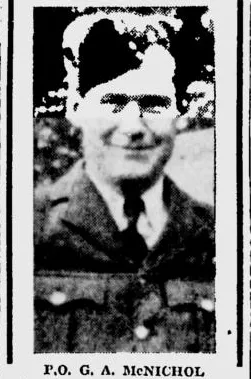
Flying Officer GA McNichol (RCAF) was killed in action
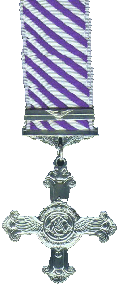
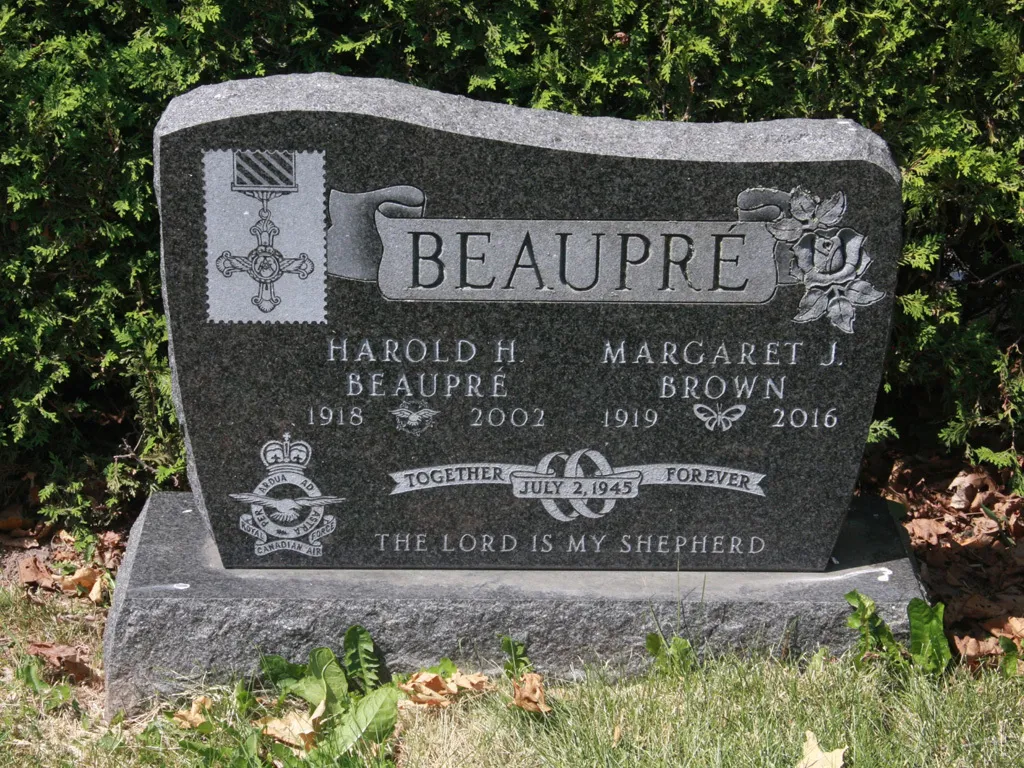
Flight Lieutenant HH Beaupre DFC (RCAF), Warrant Officer 1st Class CE Hobbs (RCAF), Flight Lieutenant TW Lewis DFC & Bar (RCAF)(USA), Flight Sergeant GS MacFarlane (RAF), Warrant Officer GC Mott (RAF) and Sergeant HR Willis (RAF) survived and were taken as Prisoners of War
 [Royal Air Force serial and Image Database]...
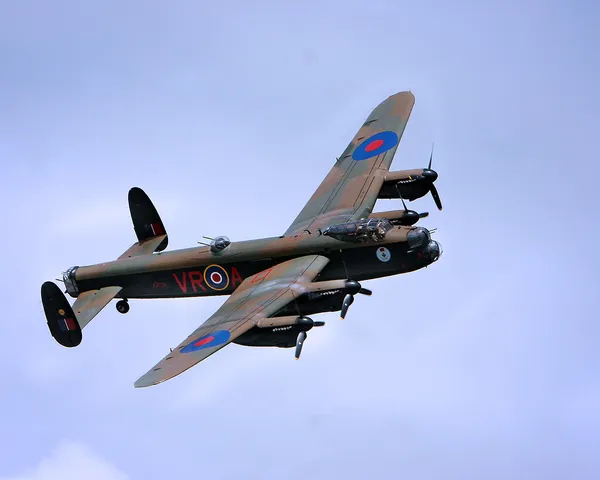
The Avro Lancaster is a British Second World War heavy bomber. It was designed and manufactured by Avro as a contemporary of the Handley Page Halifax, both bombers having been developed to the same specification, as well as the Short Stirling, all three aircraft being four-engined heavy bombers adopted by the Royal Air Force (RAF) during the same wartime era.
The Lancaster has its origins in the twin-engine Avro Manchester which had been developed during the late 1930s in response to the Air Ministry Specification P.13/36 for a capable medium bomber for "world-wide use". Originally developed as an evolution of the Manchester (which had proved troublesome in service and was retired in 1942), the Lancaster was designed by Roy Chadwick and powered by four Rolls-Royce Merlins and in one version, Bristol Hercules engines. It first saw service with RAF Bomber Command in 1942 and as the strategic bombing offensive over Europe gathered momentum, it was the main aircraft for the night-time bombing campaigns that followed. As increasing numbers of the type were produced, it became the principal heavy bomber used by the RAF, the Royal Canadian Air Force (RCAF) and squadrons from other Commonwealth and European countries serving within the RAF, overshadowing the Halifax and Stirling. Wikipedia
War Diary Unavailable
27 Halifaxes from 408 and 419 Squadron were ordered on an attack at Pilsen. The crews were over the target at between 7,000 and 14,000 feet, releasing 104,000 lbs of high explosives and 31,000 lbs of incendiaries. According to reports, this attack was a failure as there was no damage to the Skoda armaments factory.
While the Halifaxes went to Pilsen, 100 Wellingtons from 420, 424, 425,426, 427, 428, 429, and 431 Squadrons were ordered on an attack at Mannheim.The crews were over the target at between 12,000 and 16,000 feet, releasing118,000 lbs of high explosives and 91,000 lbs of incendiaries. According to reports, bombing was accurate with severe damage being caused. Richard Koval (6bombergroup.ca)
83 Squadron (Strike To Defend), Pathfinder Force, RAF Wyton. Lancaster BI aircraft R 5484 OL-V was shot down by night fighter pilot Oberfeldwebel Kurt Karsten of the 7/NJG 4, flying a Bf 110 from Juvincourt airfield during an operation against the Skoda Works in Pilsen, Czech Republic. The Lancaster crashed onto the house of Madame Chedeville, in the centre of Pontavert, Aisne, France
Flying Officer GA McNichol (RCAF) was killed in action
Flight Lieutenant HH Beaupre DFC (RCAF), Warrant Officer 1st Class CE Hobbs (RCAF), Flight Lieutenant TW Lewis DFC & Bar (RCAF)(USA), Flight Sergeant GS MacFarlane (RAF), Warrant Officer GC Mott (RAF) and Sergeant HR Willis (RAF) survived and were taken as Prisoners of War
[Royal Air Force serial and Image Database]...


 Lancaster Bomber
 Wikipedia