 Ottawa War Memorial
5 Operational Training Unit - Detachment, Abbotsford, B.C.
Liberator KH 173 (coded AZ173) failed to return from a training flight on 9 January 1945. Later found to have crashed at sea off Bell Island (about 10 miles north of Port Hardy, on Vancouver Island). All 11 crew missing, presumed killed. Those missing are listed below.
Stead, Peter (Sergeant)
Killed in Flying Accident 1945-January-09
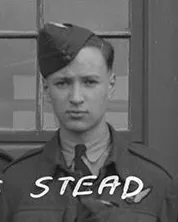

Birth Date: 1926
Born:
Parents: Son of Edward and Lily Stead, of Collingham, Yorkshire, England.
Spouse:
Home:
Enlistment:
Enlistment Date: unkown date
Service
RAFVR
Unit
5 OTU- Operational Training Unit
Base
RCAF Stn. Abbotsford, British Columbia
Rank
Sergeant
Position
Service Numbers
1597287
 Commonwealth War Graves Commission
 Finadagrave.com
Crew or Other Personnel
Liberator KH173
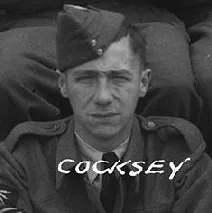
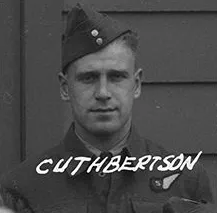
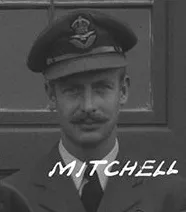
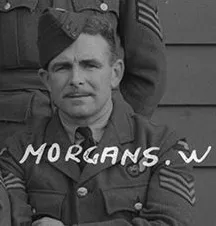
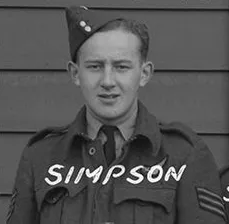
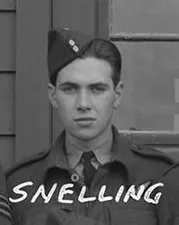
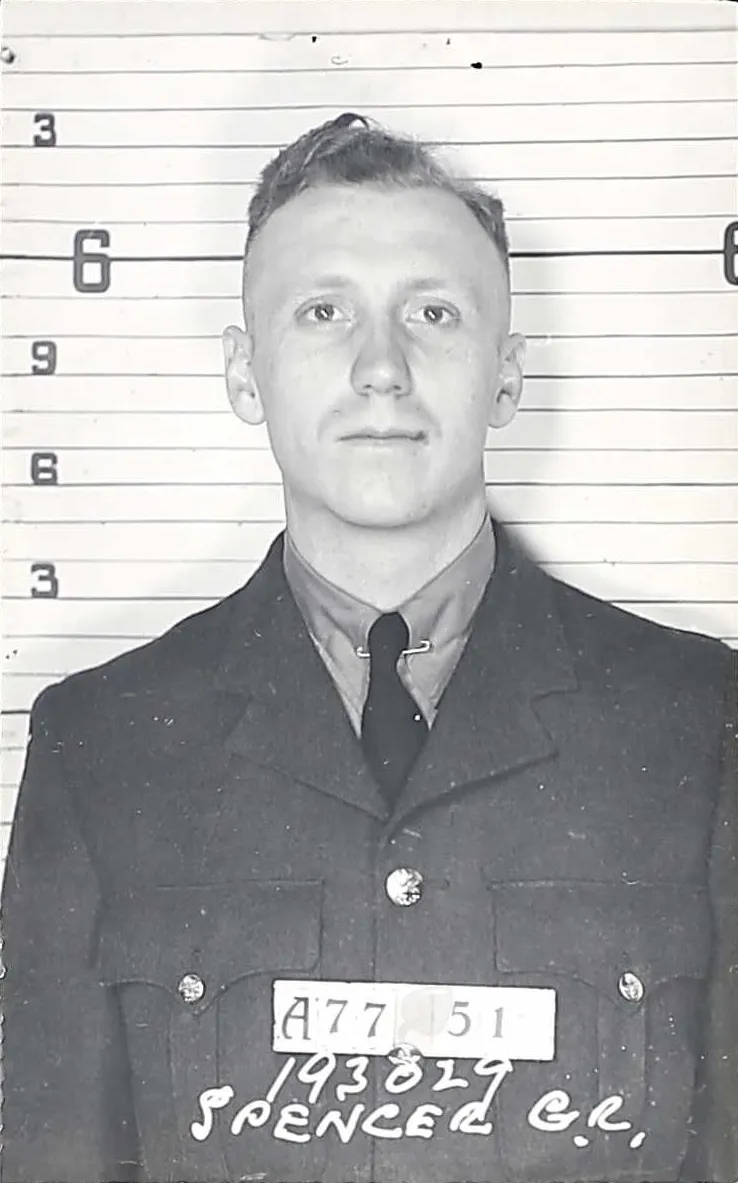
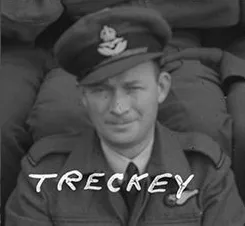
Accident Card - Consolidated Liberator B. Mk. VI serial:KH173
This accident involved 1 aircraft on 1945-January-09. Liberator s/n KH173.
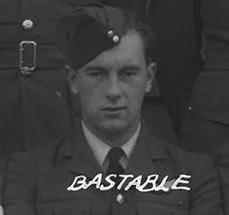
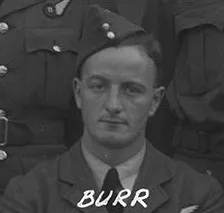
This accident involved 11 people. Burr RH, Bustable TH, Cecksey F, Cuthbertsen JB, Mergans WDN, Mitchell CI, Simpson A, Snelling GA, Spence KE, Stead P, Trickey JF
This accident had 11 fatalities. Sergeant George Arthur Snelling RAFVR Killed in Flying Accident service no:1868102 Liberator KH173, Flight Lieutenant Kenneth Edmund Spence RAF Killed in Flying Accident service no:44784 Liberator KH173, Sergeant Peter Stead RAFVR Killed in Flying Accident service no:1597287 Liberator KH173, Sergeant William David Newton Morgans RAF Killed in Flying Accident service no:1836991 Liberator KH173, Flying Officer Cyril Irwin Mitchell RAFVR Killed in Flying Accident service no:153712 Liberator KH173, Sergeant Alan Simpson RAFVR Killed in Flying Accident service no:3012303 Liberator KH173, Sergeant Frank Cocksey RAFVR Killed in Flying Accident service no:1671860 Liberator KH173, Pilot Officer James Francis Trickey RAFVR Killed in Flying Accident service no:179019 Liberator KH173, Sergeant James Brown Cuthbertson RAFVR Killed in Flying Accident service no:1369063 Liberator KH173, Pilot Officer Robert Henry Burr RAFVR Killed in Flying Accident service no:166407 Liberator KH173, Pilot Officer Thomas Henry Bastable RAF Killed in Flying Accident service no:166362 Liberator KH173
Liberator serial: KH173
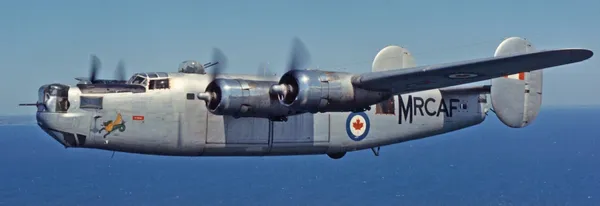
(DND Photos via James Craik) (Source Harold A Skaarup Web Page)
Consolidated Liberator G.R. Mk. VIII, RCAF (Serial No. 11130) ex-USAAF Consolidated (Vultee) B-24L Liberator USAAF (44-50154)
ex-RAF (Serial No. 5009), ex-Indian Air Force (Serial No. HE773).
Currently preserved in the Canada Aviation and Space Museum Ottawa Ontario.
Consolidated Liberator G.R. Mk. VIII, RCAF (Serial No. 11130) ex-USAAF Consolidated (Vultee) B-24L Liberator USAAF (44-50154)
ex-RAF (Serial No. 5009), ex-Indian Air Force (Serial No. HE773).
Currently preserved in the Canada Aviation and Space Museum Ottawa Ontario.
The Consolidated B-24 Liberator was an American heavy bomber flown by the RCAF during the Second Word War. It was designed with a shoulder-mounted, high aspect ratio Davis wing which gave the Liberator a high cruise speed, long range and the ability to carry a heavy bomb load. Early RAF Liberators were the first aircraft to cross the Atlantic Ocean as a matter of routine. In comparison with its contemporaries the B-24 was relatively difficult to fly and had poor low speed performance; it also had a lower ceiling compared with the Boeing B-17 Flying Fortress. Of the roughly 18,500 B-24s built in the USA during the war, 148 were flown by the RCAF on long range anti-submarine patrols, with the B-24 serving an instrumental role in closing the Mid-Atlantic gap in the Battle of the Atlantic. The RCAF also flew a few B-24s post war as transports.
Roughly half of all (RAF) Liberator crews in the China-Burma-India (CBI) Theatre were Canadian by the end of the war. John Muir of Vancouver flew the longest mission of the war: 24hrs, 10mins from Ceylon to Burma and back. (Kyle Hood) Harold Skaarup web page
 Liberator bomber
 Wikipedia Liberator bomber
 Harold A Skaarup Web Page
Aircraft Images
Liberator KH173
Liberator B. Mk. VI KH173
Supplied by RAF for use at No. 5 Operational Training Unit, Boundary Bay, BC. Coded "AZ". Failed to return from training flight on 9 January 1945. Later found to have crashed at sea off Bell Island (about 10 miles north of Port Hardy, on Vancouver Island). All 11 crew missing, presumed killed.1944-09-06 Taken on Strength 2022-02-07
1945-January-09 Accident: 5 Operational Training Unit Loc: Port Hardy British Columbia Names: Burr | Bustable | Cecksey | Cuthbertsen | Mergans | Mitchell | Simpson | Snelling | Spence | Stead | Trickey
1945-02-14 Struck off Strength 2022-02-07
Unit Desciption
5 OTU (5 Operational Training Unit)
The Operational Training Unit (OTU) was the last stop for aircrew trainees. They spent 8 to 14 weeks learning to fly operational aircraft (Hawker Hurricane or Fairey Swordfish, e.g.). The instructors had experience in actual operations, and often were posted to OTUs after their operational tour.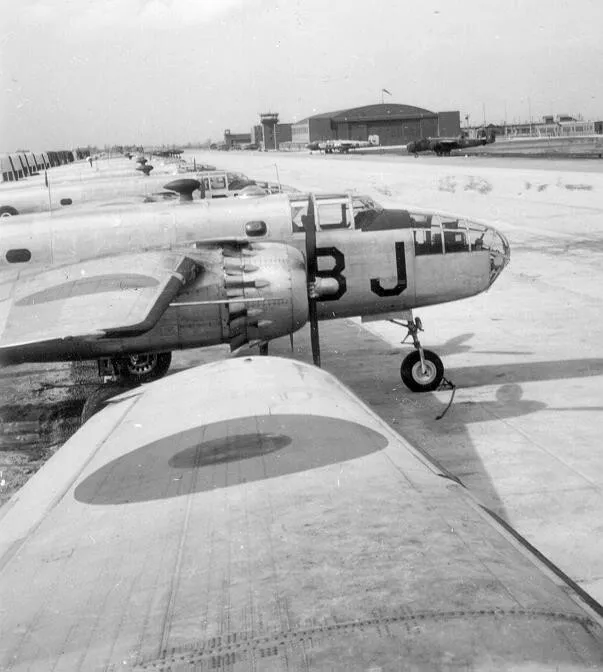
NO5 OTU Boundary Bay
 RCAF.Info