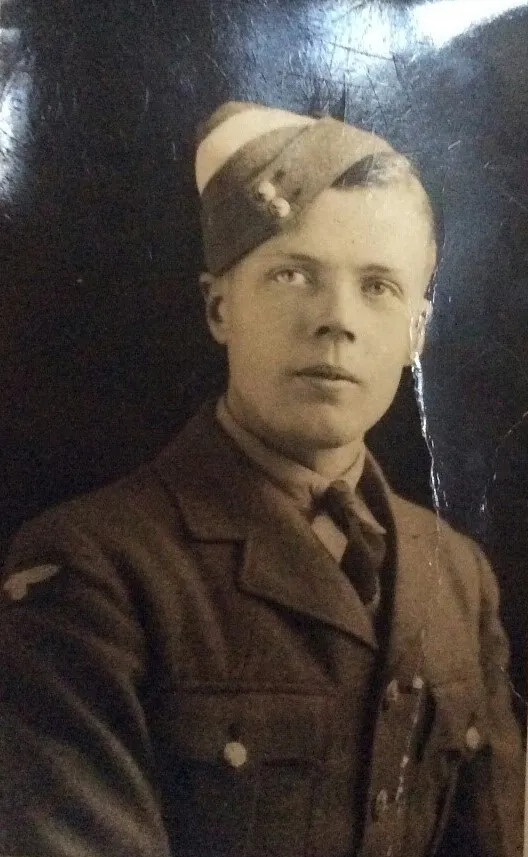
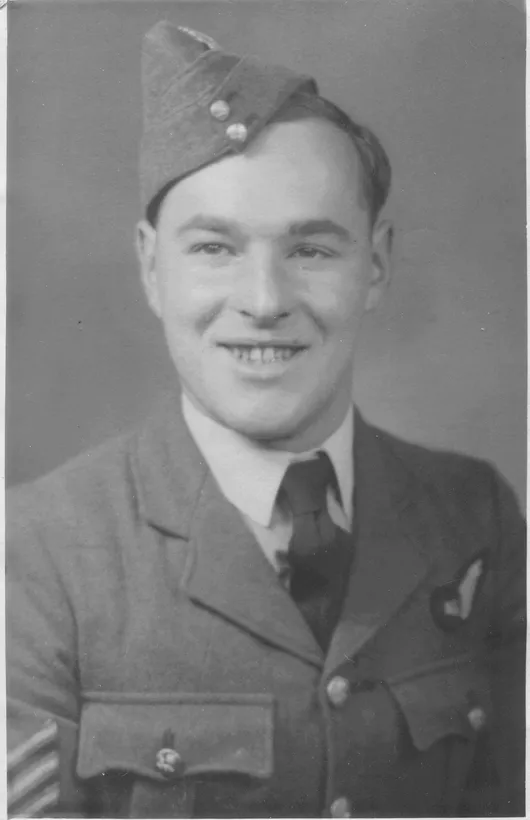
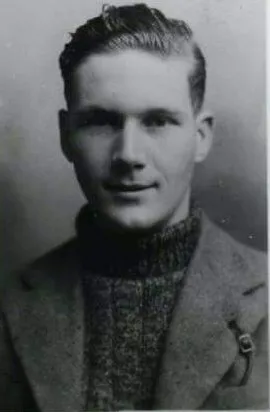
Sergeant NP Mallen (RAF) survived and was taken as Prisoner of War
Mallen, Norman Percival (Sergeant)
Prisoner of War 1943-October-22
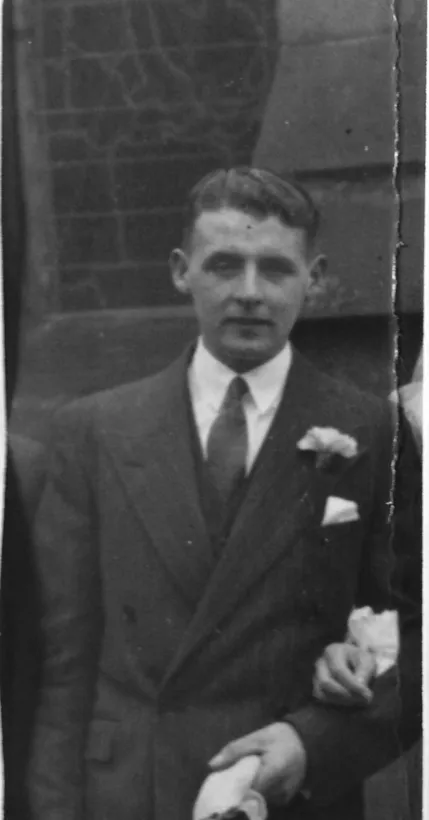

Birth Date: unkown date
Born:
Parents:
Spouse:
Home:
Enlistment:
Enlistment Date: unkown date
Service
RAF
Unit
429 (B) Sqn- Squadron
Fortunae Nihil Nothing to chance
Base
Leeming
Rank
Sergeant
Position
Wireless Operator
Service Numbers
1186898
PoW: 261196
Target
 Kassel Germany
Crew or Other Personnel
Halifax JD332
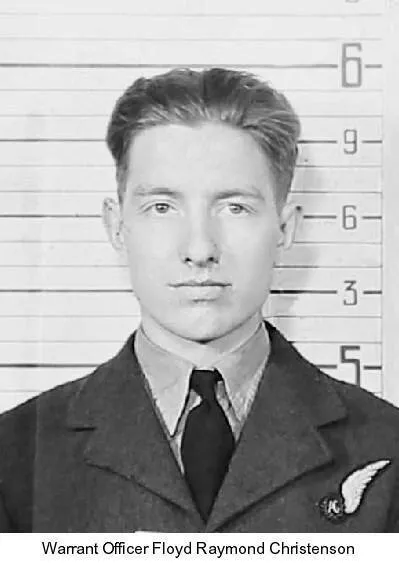

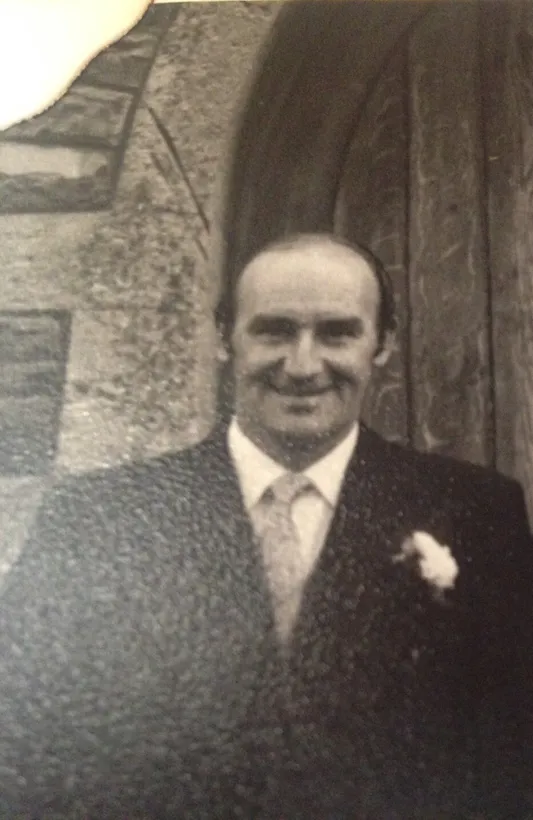
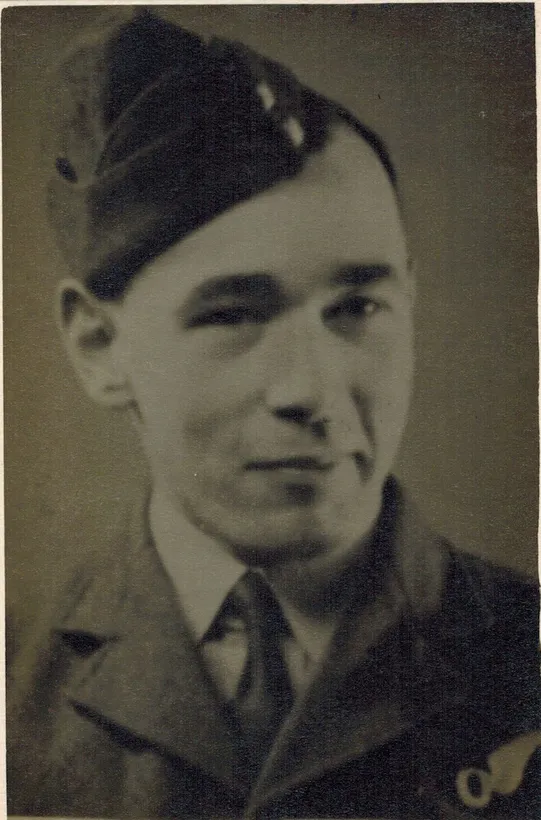
Mission
Halifax B/GR.Mk.II JD332
Bombing 1943-October-22 to 1943-October-22
(B) Sqn (RCAF) Leeming
QUESTIONNAIRE FOR RETURNED AIRCREW
Loss of bomber aircraft
NUMBER. 1483501 RANK. F/Sgt NAME. Johnston J. F. SQUADRON. 429 AIRCRAFT. JD-332 AL-U TYPE OF AIRCRAFT. Halifax II DATE OF LOSS. 22/23.10.43 TARGET. Kassel HOW MANY OPS. 20 DUTY. Bomb aimer DATE OF INTERROGATION. 31.5.45 INFORMATION EXTRACTED FROM. POW report
NARRATIVE OF EVENTS FROM TAKEOFF TO LANDING.
We had a very quite trip until the target was reached. Visibility was good and there was no moon. Going in on the run up, our starboard inner was hit but it did not effect the aircrafts performance. We bombed at approximately 2155 hours and set course for home. The flak was light but there were large numbers of fighter flares and fighters about. An ME-110 came in to the attack from the port quarter underneath. The rear gunner opened up and hits were observed. The fighter broke off the attack without firing but came in some minutes later from the starboard quarter underneath. We corkscrewed into him but he opened up and scored hits all along the aircraft. The cowling was shot from the starboard inner. The aircraft went into almost a vertical dive and I believed the elevator controls were damaged. The intercom and signalling lights were unserviceable, so by hand signals and signs we baled out. Action had to be taken immediately because the aircraft was going down very fast and rolling over to port. I do not remember anything until I hit the ground. I cannot remember the time of take off. The engineer informed me afterwards that the pilot was slumped in his seat and the stick was held back. He also informed me that the instrument panel was hit.
Unit Desciption
429 (B) Sqn Fortunae Nihil ("Bison")
History of the Squadron during World War II (Aircraft: Wellington III, X, Halifax II, V, III, Lancaster I, III)
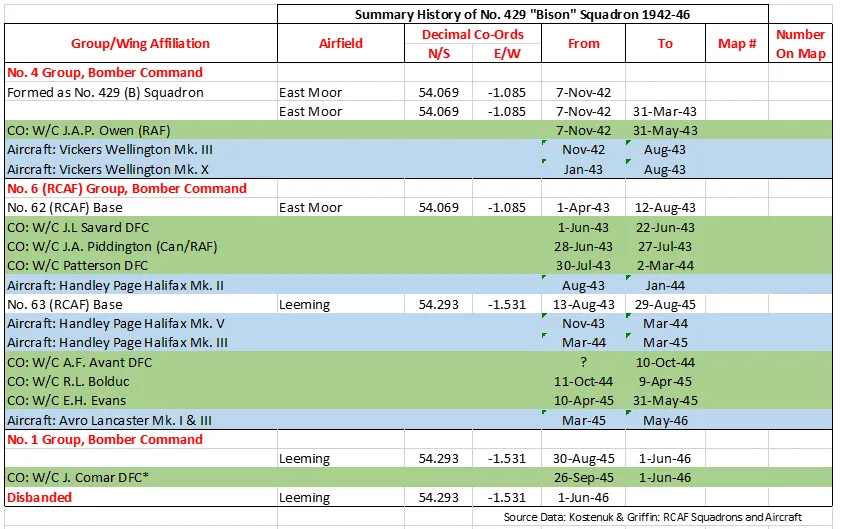
No 429 Squadron was the 10th bomber unit and 27th squadron formed by the RCAF overseas in WWII. It was formed in November 1942 at East Moor, Yorkshire, UK as part of No 4 Group of RAF Bomber Command. On April 1, 1943 it became part of No 6 (RCAF) Group at No 62 (RCAF) Base, still remaining at East Moor until August 1943, when it moved to Leeming, Yorkshire as part of no 63 (RCAF) Base: it remained at Leeming until its disbandment in May 1946. It undertook strategic and tactical bombing operations. After the cessation of hostilities in Europe, it remained in England and transferred to No 1 Group, where it was engaged in transporting troops from Italy (Operation DODGE).
The squadron, with squadron code AL, flew Vickers Wellington Mks III and X until August 1943, when it re-equipped with Handley-Page Halifax Mk II, which it flew between August 1943 and January 1944, and Mk V between November 1943 and March 1944. These were superseded by Halifax Mk III aircraft in March 1944. In March 1945, the squadron re-equipped with Lancaster Mk I and III. In summary of its activities, it flew 3221 sorties, including airlifting 1055 PoWs back to England, for the loss of 71 aircraft. 9356 tons of bombs were dropped. The squadron was awarded45 DFCs and 2 Bars to DFC, 1 AFC, 1 CGM and 7 DFMs. Battle Honours were: English Channel and North Sea 1943-45, Baltic 1943-45, Fortress Europe 1943-44, France and Germany 1944-45, Biscay Ports 1943-44, Ruhr 1943-45, Berlin 1943-44, German Ports 1943-45, Normandy 1944, Rhine, Biscay 1943-44. Wikipedia,Moyes, Kostenuk and Griffin
Squadron History (Bomber Command Museum PDF)
Maps for Movements of 429 Squadron 1942-46
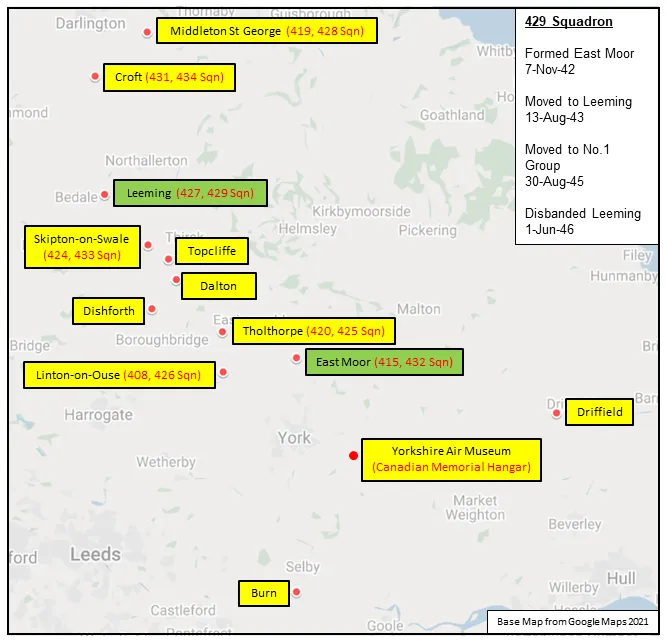
MAP 1: 429 Squadron Bases 1942-46 (marked in green). Right-click on image to display enlarged in new tab
429 Squadron History Summary 1942-46
History of the Squadron Post-WWII (Aircraft: Buffalo, Hercules, Globemaster)
The squadron was reactivated at St. Hubert, Quebec on 21 August 1967 as a Tactical Transport Unit. It flew de Havilland CC-15 Buffalo aircraft for the Canadian Forces Mobile Command and was integrated into the Canadian Armed Forces on 1 February 1968. In August 1981 it was renamed 429 Transport Squadron and moved to CFB Winnipeg . The final move was in 1990 to 8 Wing in Trenton, Ontario . The squadron was disbanded in 2005.
Two years later in August 2007, 429 Squadron was again re-activated, this time operating the CC-177 Globemaster III strategic transport aircraft. It used these new aircraft in support of Canada's operations in Afghanistan.
Halifax JD332 B/GR.Mk.II - Bombing - 1943-10-22 to 1943-10-22
Squadron: (B) Sqn (RCAF)
Start Date: 1943-10-22
Completion Date: 1943-10-22
Mission: Bombing
Operation: unspecified
Target City:
Target Specific:
Base: Leeming
Take Off Time:
Squadron Code:
Radio Code:
Return Base:
Return Time:
Crash City:
Crash Specifics:
Crash Latitude: 0.00000000
Crash Longitude: 0.00000000
Crash Reason: fighter
Flak Battery:
Enemy Claim:
War Diary Unavailable
6 Group Unavailable
6 Group Unavailable
QUESTIONNAIRE FOR RETURNED AIRCREW
Loss of bomber aircraft
NUMBER. 1483501 RANK. F/Sgt NAME. Johnston J. F. SQUADRON. 429 AIRCRAFT. JD-332 AL-U TYPE OF AIRCRAFT. Halifax II DATE OF LOSS. 22/23.10.43 TARGET. Kassel HOW MANY OPS. 20 DUTY. Bomb aimer DATE OF INTERROGATION. 31.5.45 INFORMATION EXTRACTED FROM. POW report
NARRATIVE OF EVENTS FROM TAKEOFF TO LANDING.
We had a very quite trip until the target was reached. Visibility was good and there was no moon. Going in on the run up, our starboard inner was hit but it did not effect the aircrafts performance. We bombed at approximately 2155 hours and set course for home. The flak was light but there were large numbers of fighter flares and fighters about. An ME-110 came in to the attack from the port quarter underneath. The rear gunner opened up and hits were observed. The fighter broke off the attack without firing but came in some minutes later from the starboard quarter underneath. We corkscrewed into him but he opened up and scored hits all along the aircraft. The cowling was shot from the starboard inner. The aircraft went into almost a vertical dive and I believed the elevator controls were damaged. The intercom and signalling lights were unserviceable, so by hand signals and signs we baled out. Action had to be taken immediately because the aircraft was going down very fast and rolling over to port. I do not remember anything until I hit the ground. I cannot remember the time of take off. The engineer informed me afterwards that the pilot was slumped in his seat and the stick was held back. He also informed me that the instrument panel was hit.
