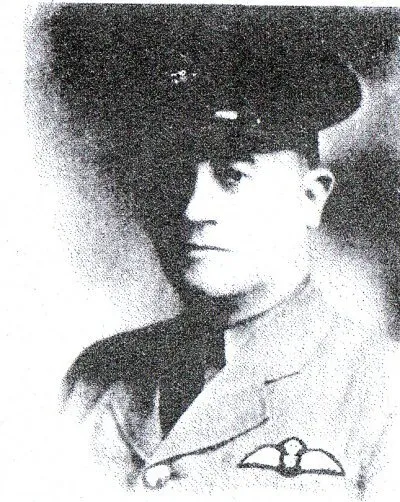
Gravell, Karl Mander (Leading Aircraftman)

Killed in Flying Accident 1941-November-10

Leading Aircraftman Karl Mander Gravell RCAF

Birth Date: 1922-September-22

Born: Norrkoping, Sweden

Parents: Son of Carl Helge Gravell and Anna Lisa Gravell, of Vancouver, British Columbia.

Spouse:

Home: Vancouver, British Columbia

Enlistment: Vancouver, British Columbia

Enlistment Date: 1941-March-15

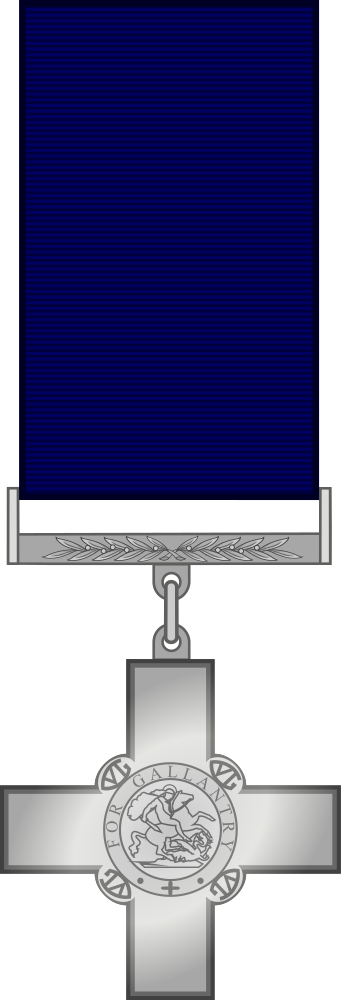
George Cross

Service

RCAF

Unit

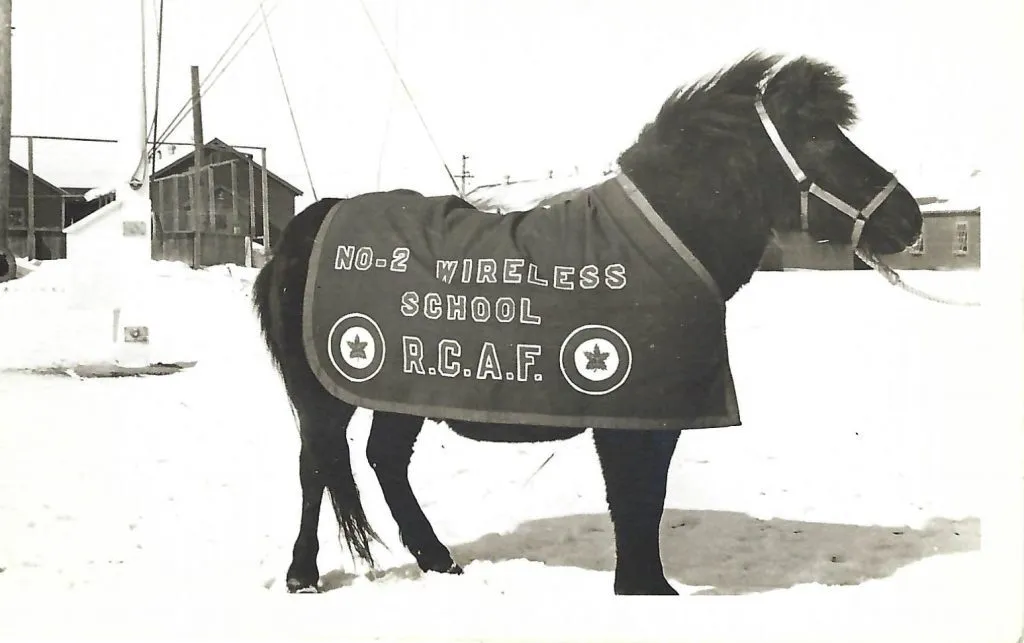
2 WS- Wireless School

Base

Calgary, Alberta, Canada

Rank

Leading Aircraftman

Position

Wireless Air Gunner

Service Numbers

R/97644

Citation of Valour

George Cross

The KING has been graciously pleased, on the advice of Canadian Ministers, to approve the posthumous award of the GEORGE. CROSS to the undermentioned: "”

Leading Aircraftman K. M. Gravell (deceased), Royal Canadian Air Force.

In November, 1941, a training aircraft crashed and immediately burst into flames. Leading Aircraftman Gravell, who was under training as a wireless air gunner, managed to extricate himself from the wreckage and get clear. In spite of the intense shock caused by the loss of one eye and severe burns, suffered at the time of the crash, Leading Aircraftman Graveil's first and only thought was for the welfare of his pilot. The pilot was still in the aircraft and Gravell ignoring his own serious injuries and the fact that his clothes were ablaze attempted to get back to the flaming wreckage to pull him clear. He had barely reached the aircraft when he was dragged away and rolled on the ground to extinguish the flames which had, by this time, completely enveloped his clothing. Leading Aircraftman Gravell subsequently died from his burns. Had he not considered his pilot before his own safety and had he immediately proceeded to extinguish the flames on his own clothing, he would probably not have lost his life.

UK London Gazette AFRO 1000-1001/42 dated 3 July 1942

Born in Norkkoping, Sweden, 24 September 1922. Educated in Sweden to 1936; at Kitsilano High School, 1937-1939; at King Edward High School, 1939-1940. Enlisted in Vancouver, 15 March 1941. Posted to No.2 Manning Depot that day as AC2; to No.12 SFTS, Brandon, 16 May 1941 (guard duty); to No.2 Wireless School, 19 July 1941. Promoted to LAC, 18 August 1941. Not the most disciplined pupil; on 3 July 1941 he forfeited seven days pay; on 5 September 1941 he was awarded 120 hours detention.

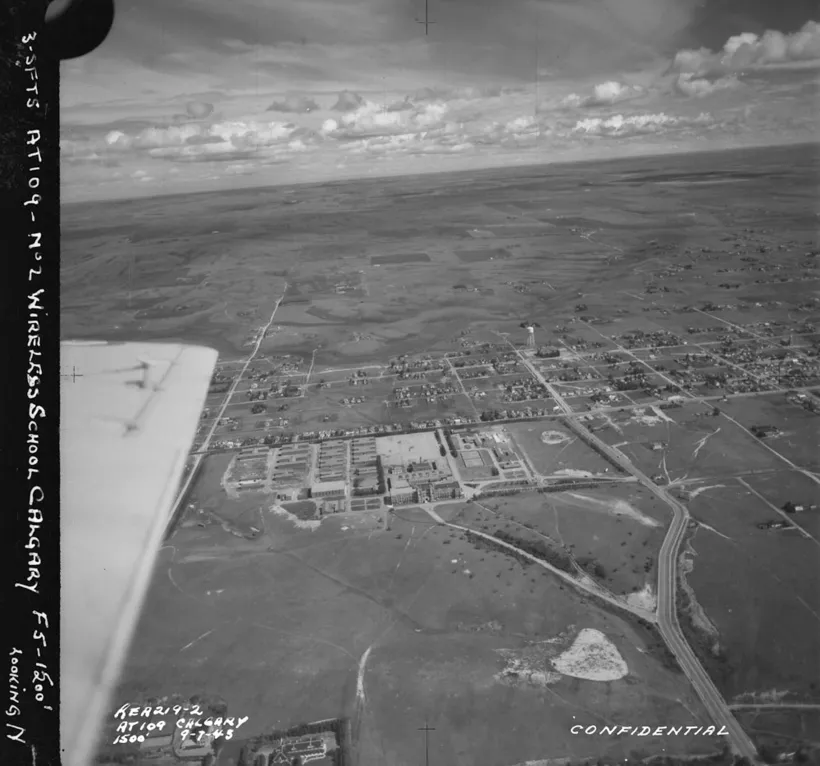
At 2 Wireless School, Calgary Alberta, Gravell earned the George Cross when his Menasco Moth 4833 crashed and burned twenty miles north-west of Calgary, Flying Officer J Robinson also killed.

The aircraft crashed in the yard of the Big Springs School and a teacher, Mrs F Walsh and her pupils pulled Gravell away from the wreckage. They rolled him on the ground to extinguish his clothing and rendered first aid until medical officers arrived. Mrs Walsh was burned about the face and suffered shock but ignored her injuries until Gravell was tended to. She was awarded the George Medal for her heroic efforts. Leading Aircraftman Wireless Operator Air Gunner Gravell is buried in the Mountain View Cemetery at Vancouver, British Columbia. Detail provided by H. Halliday, Orleans, Ontario


Accident Card - de Havilland Moth, Menasco II serial:4833

This accident involved 1 aircraft on 1941-November-10. Menasco Moth s/n 4833.

This accident involved 2 people. Gravell KM, Robinson J

This accident had 3 fatalities. Leading Aircraftman Karl Mander Gravell RCAF Killed in Flying Accident service no:R/97644 Moth, Menasco 4833, Flying Officer James Robinson RCAF Killed in Flying Accident service no:C/3201 Moth, Menasco 4833, Frances Gertrude Walsh Survived service no: Moth, Menasco 4833

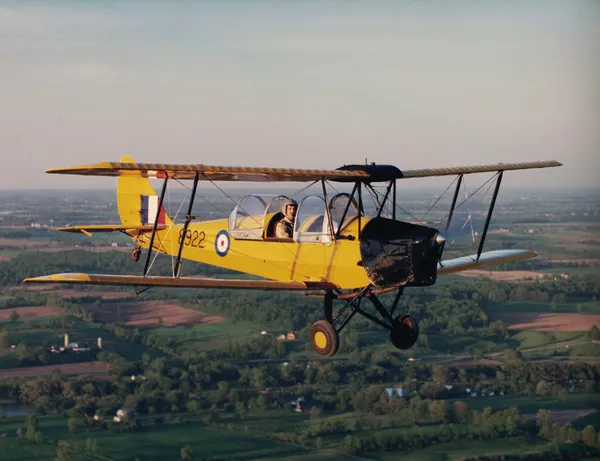
Tiger Moth serial: 4833

Source: Canadian Warplane Heritage Museum (serial # RCAF 8922), credit Rick Radell

The de Havilland DH.82 Tiger Moth is a 1930s British biplane designed by Geoffrey de Havilland and built by the de Havilland Aircraft Company. It was operated by the Royal Air Force (RAF) and many other operators as a primary trainer aircraft. In addition to the type's principal use for ab-initio training, the Second World War saw RAF Tiger Moths operating in other capacities, including maritime surveillance and defensive anti-invasion preparations; some aircraft were even outfitted to function as armed light bombers.

The Tiger Moth remained in service with the RAF until it was succeeded and replaced by the de Havilland Chipmunk during the early 1950s. Many of the military surplus aircraft subsequently entered into civil operation. Many nations have used the Tiger Moth in both military and civil applications, and it remains in widespread use as a recreational aircraft in several countries. It is still occasionally used as a primary training aircraft, particularly for those pilots wanting to gain experience before moving on to other tailwheel aircraft.

Overseas manufacturing of the type commenced in 1937, the first such overseas builder being de Havilland Canada at its facility in Downsview, Ontario. In addition to an initial batch of 25 Tiger Moths that were built for the Royal Canadian Air Force (RCAF), the Canadian firm began building fuselages which were exported to the UK for completion. Canadian-built Tiger Moths featured modifications to better suit the local climate, along with a reinforced tail wheel, hand-operated brakes (built by Bendix Corporation), shorter undercarriage radius rods and the legs of the main landing gear legs being raked forwards as a safeguard against tipping forwards during braking. In addition the cockpit had a large sliding canopy fitted along with exhaust-based heating; various alternative undercarriage arrangements were also offered. By the end of Canadian production, de Havilland Canada had manufactured a total of 1,548 of all versions. Wikipedia

Wikipedia Wikipedia de Havilland Tiger Moth

Unvetted Source Harold A Skaarup Web Page

YouTube YouTube de Havilland DH.82A Tiger Moth
Aircraft Images


Tiger Moth 4833

Tiger Moth II 4833

With No. 2 Wireless School at Calgary, Alberta at time of crash. Crashed in the school yard of Big Springs School (in the Simmonds Valley near Calgary, Alberta). Radio operator pupil, Leading Aircraftman Karl Mander Gravell, extracted himself from the wreckage, but re-entered the burning wreck to try to save the pilot. Both subsequently died of burns. Leading Aircraftman Gravell, was awarded the George Cross for his self sacrificing actions in trying to save Flying Officer Robinson and Mrs. F. Walsh, a teacher from the school, was awarded the George Medal for her heroic acts.

1941-03-11 Taken on Strength 2019-08-20
1941-November-10 Accident: 2 Wireless School Loc: Aerodrome Names: Gravell | Robinson
1942-08-18 Struck off Strength Struck off after crashing and burning on 10 November 1941. See comments. 2019-08-20

Unit Desciption