 Winnipeg, Manitoba
Flying Officer Cook lost his life when Moth 4868 crashed at Lillyfield, Manitoba.
Cook, Thomas Joseph (Flying Officer)
Killed in Flying Accident 1941-July-08
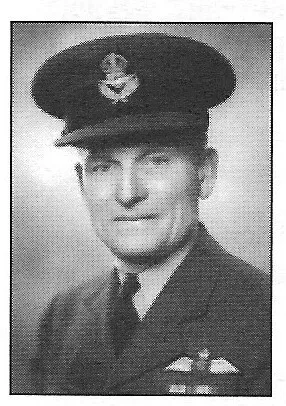

Birth Date: 1896-February-17
Born:
Parents: John William & Mary A. Cook
Spouse: Cassie Ida Cook, of Winnipeg.
Home: Winnipeg, Manitoba
Enlistment:
Enlistment Date: unkown date
Service
RCAF
Unit
3 WS- Wireless School
Base
RCAF Stn. Winnipeg, Manitoba
Rank
Flying Officer
Position
Pilot
Service Numbers
C/3010
 Canadian Virtual War Memorial
 Commonwealth War Graves Commission
 Finadagrave.com
 Library and Archives Canada Service Files (may not exist)
Accident Card - de Havilland Moth, Menasco II serial:4868
This accident involved 1 aircraft on 1941-July-08. Menasco Moth s/n 4868.
This accident involved 2 people. Cook TJ, Orr EW
This accident had 1 fatality. Flying Officer Thomas Joseph Cook RCAF Killed in Flying Accident service no:C/3010 Moth, Menasco 4868
Tiger Moth serial: 4868
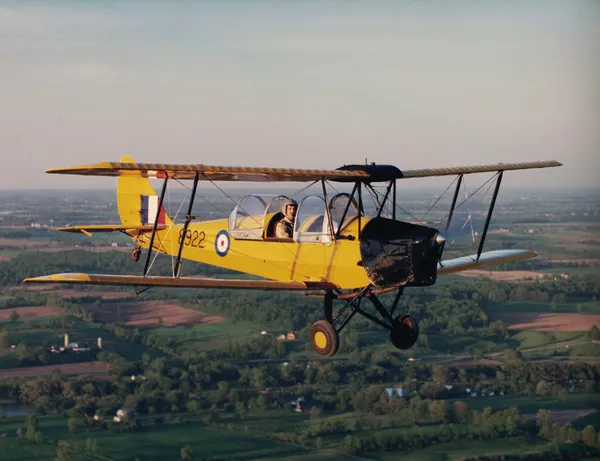
Source: Canadian Warplane Heritage Museum (serial # RCAF 8922), credit Rick Radell
The de Havilland DH.82 Tiger Moth is a 1930s British biplane designed by Geoffrey de Havilland and built by the de Havilland Aircraft Company. It was operated by the Royal Air Force (RAF) and many other operators as a primary trainer aircraft. In addition to the type's principal use for ab-initio training, the Second World War saw RAF Tiger Moths operating in other capacities, including maritime surveillance and defensive anti-invasion preparations; some aircraft were even outfitted to function as armed light bombers.
The Tiger Moth remained in service with the RAF until it was succeeded and replaced by the de Havilland Chipmunk during the early 1950s. Many of the military surplus aircraft subsequently entered into civil operation. Many nations have used the Tiger Moth in both military and civil applications, and it remains in widespread use as a recreational aircraft in several countries. It is still occasionally used as a primary training aircraft, particularly for those pilots wanting to gain experience before moving on to other tailwheel aircraft.
Overseas manufacturing of the type commenced in 1937, the first such overseas builder being de Havilland Canada at its facility in Downsview, Ontario. In addition to an initial batch of 25 Tiger Moths that were built for the Royal Canadian Air Force (RCAF), the Canadian firm began building fuselages which were exported to the UK for completion. Canadian-built Tiger Moths featured modifications to better suit the local climate, along with a reinforced tail wheel, hand-operated brakes (built by Bendix Corporation), shorter undercarriage radius rods and the legs of the main landing gear legs being raked forwards as a safeguard against tipping forwards during braking. In addition the cockpit had a large sliding canopy fitted along with exhaust-based heating; various alternative undercarriage arrangements were also offered. By the end of Canadian production, de Havilland Canada had manufactured a total of 1,548 of all versions. Wikipedia
 Wikipedia de Havilland Tiger Moth
 Harold A Skaarup Web Page
 YouTube de Havilland DH.82A Tiger Moth
Aircraft Images
Tiger Moth 4868
Tiger Moth II 4868
Category A damage on 8 July 1941 while with No. 3 Wireless School at Winnipeg, Manitoba.1941-03-29 Taken on Strength 2019-08-20
1941-July-08 Accident: 3 Wireless School Loc: Lilyfield Manitoba Names: Cook | Orr
1941-07-22 Struck off Strength 2019-08-20
Unit Desciption
3 WS (3 Wireless School)
Trainees in the "Wireless Air Gunner" (WAG) stream spent 24 weeks at a Wireless Schoo learning the theory and application of wireless communications. This included signalling with lights and flags as well as radio. Their "WAG" training was completed with four weeks at a Bombing & Gunnery School.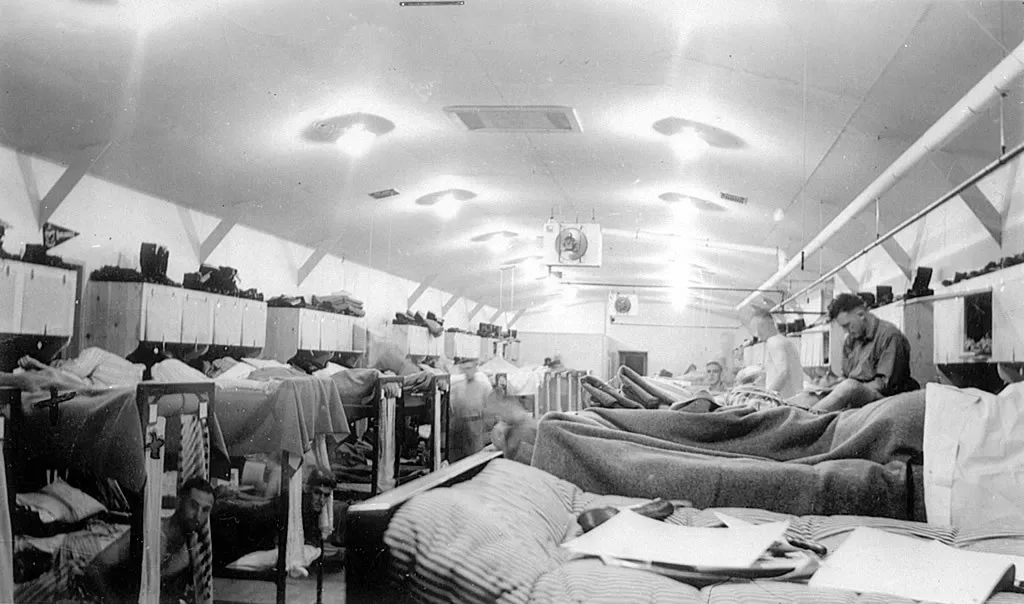
NO3 WS Winnipeg
 RCAF.info - RCAF Station Winnipeg MB - 3 WS